In the world of art and industry, where innovation and creativity collide, one process stands out as a testament to artistic precision: photochemical etching. This remarkable technique has revolutionized the way intricate designs are etched onto various materials, unveiling a realm of possibilities that were once considered unattainable.
Photochemical etching, often referred to as chemical milling or photochemical machining, is a method used to meticulously engrave intricate patterns onto a wide range of materials. What sets this process apart is its ability to achieve incredible detail and precision, allowing for the creation of complex designs that other methods might struggle to replicate.
At the heart of photochemical etching lies the synergy of chemistry and artistry. The process begins with the creation of a design on a digital file, which is then transferred onto a photosensitive material, typically a metal sheet or plate. This photosensitive material is coated with a light-sensitive emulsion, allowing the design to be “exposed” onto it through a UV light source. The areas exposed to light undergo a chemical transformation that renders them resistant to the etching process. The unexposed areas, on the other hand, remain susceptible to the etching chemicals.
Once the photoresist material is prepared, it’s time to immerse the plate into a carefully controlled etching solution. This solution selectively removes the unprotected metal, gradually revealing the intricate design. This process is governed by precision and timing, ensuring that the etching progresses at the desired rate without compromising the integrity of the design. The result is a finely detailed engraving that boasts a level of accuracy and intricacy that few other techniques can rival.
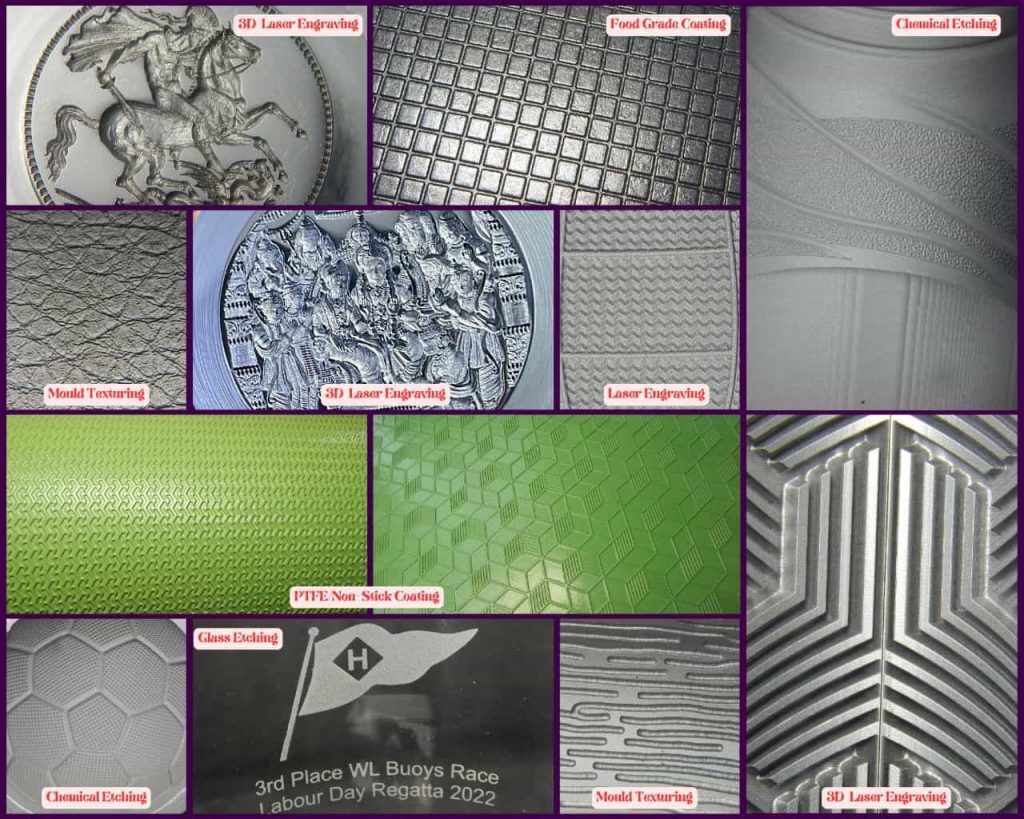
One of the remarkable advantages of photochemical etching is its versatility in dealing with a diverse range of materials. Metals, ceramics, glass, and even some polymers can undergo this process to achieve stunning results. This adaptability has led to the widespread application of photochemical etching in various industries, from aerospace and electronics to jewelry and decorative art.
Photochemical etching companies have harnessed the power of this technique to serve a multitude of needs. For instance, the aerospace sector benefits from photochemical etching’s ability to produce lightweight components with intricate geometries. The electronics industry relies on the precision of this method to create microelectromechanical systems (MEMS) and printed circuit boards with intricate patterns. Even the jewelry industry has embraced this technique to craft finely detailed pieces that stand out as true works of art.
But the beauty of photochemical etching doesn’t stop at its accuracy and adaptability. The process also opens doors to innovation through its integration with other technologies. One such example is the incorporation of the non-stick coating process. This involves applying a specialized coating to the etched surface, enhancing durability and resistance to wear. The result is a piece that not only boasts a mesmerizing design but also exhibits remarkable longevity.
Furthermore, the marriage of photochemical etching with 3D laser engraving has pushed the boundaries of what’s achievable. By combining the precision of photochemical etching with the depth and texture created by 3D laser engraving, artists and manufacturers can produce pieces that captivate the senses and defy traditional constraints.
The etching process itself is an environmentally friendly alternative to traditional machining methods. It generates minimal waste and employs chemicals that are carefully managed to reduce their impact on the environment. This eco-conscious approach aligns with modern demands for sustainable manufacturing practices, making photochemical etching a viable option for those seeking intricate designs with a minimal ecological footprint.
In conclusion, the world of art and industry owes a debt of gratitude to the intricate process of photochemical etching. Through the fusion of chemistry and design, this technique has unveiled a world of artistic precision that extends across diverse materials and industries. From aerospace components to delicate jewelry, from electronics to decorative art, photochemical etching companies have demonstrated the incredible potential of this process. As technology continues to evolve, we can only anticipate even more innovative applications and breathtaking creations to emerge from the realm of photochemical etching.