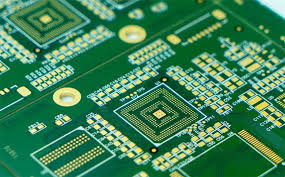
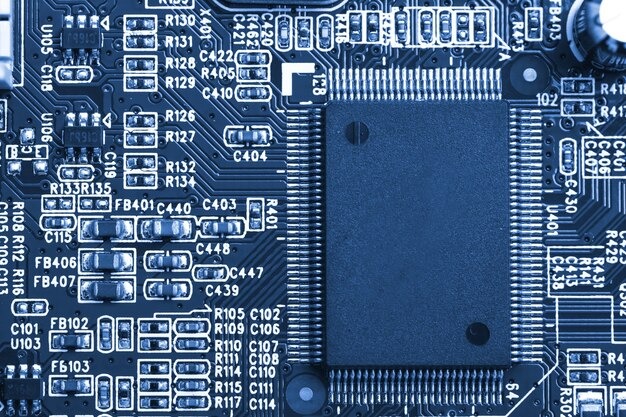
Printed circuit boards (PCBs) are the backbone of modern electronics, supporting everything from consumer devices to advanced industrial systems. As global demand for high-quality electronics continues to grow, Taiwan has emerged as one of the most trusted hubs for PCB production. Known for its technical expertise, robust supply chains, and commitment to innovation, Taiwan offers a wide range of manufacturing partners. However, choosing the right one is not always straightforward. This article explores the key factors businesses should consider when selecting a PCB manufacturer in Taiwan and how to make an informed, confident decision.
Understanding Your Project Requirements
Before engaging with any manufacturer, it is essential to have a clear understanding of your own project needs. PCB manufacturing is not a one-size-fits-all service. Factors such as board complexity, layer count, material selection, surface finishes, and production volume all influence which manufacturer will be the best fit.
For example, a startup developing a prototype may prioritize flexibility, fast turnaround times, and engineering support. In contrast, an established company preparing for mass production may focus more on cost efficiency, scalability, and long-term reliability. Defining these requirements early allows you to filter out manufacturers that are not aligned with your goals.
Evaluating Technical Capabilities
One of the most important criteria in selecting a manufacturing partner is technical capability. Taiwan is home to manufacturers that range from small, specialized shops to large-scale operations with advanced automation. Look closely at a manufacturer’s ability to handle your specific technical demands.
Key questions to ask include:
- Can they produce the required number of layers and board thickness?
- Do they support advanced features such as impedance control, blind and buried vias, or HDI designs?
- Are they experienced with the materials and finishes your project requires?
Reviewing technical datasheets, production capabilities, and sample boards can provide valuable insight into whether a manufacturer’s expertise matches your expectations.
Quality Standards and Certifications
Quality assurance is a critical factor in PCB manufacturing, especially for industries such as medical, automotive, aerospace, and telecommunications. Reputable Taiwanese manufacturers typically adhere to internationally recognized quality standards.
Look for certifications such as ISO 9001 for quality management systems, IPC standards for PCB fabrication, and, where applicable, ISO 13485 or IATF 16949 for specialized industries. These certifications indicate that the manufacturer follows structured processes and maintains consistent quality control throughout production.
In addition to certifications, inquire about inspection methods. Automated optical inspection (AOI), X-ray inspection, and electrical testing are all indicators of a manufacturer that takes quality seriously.
Communication and Engineering Support
Clear and responsive communication can significantly impact the success of your project. Language barriers are less of an issue today than they once were, but it is still important to assess how effectively a manufacturer communicates.
A reliable partner should be able to:
- Respond promptly to inquiries
- Provide clear explanations of technical issues
- Offer design-for-manufacturability (DFM) feedback
Strong engineering support is especially valuable during the prototyping phase, where design adjustments are common. Manufacturers that proactively identify potential issues can save time, reduce costs, and prevent production delays.
Lead Times and Production Flexibility
Time-to-market is often a critical consideration, particularly in competitive industries. When evaluating potential manufacturers, ask about standard lead times for prototypes and production runs. Also consider how flexible they are when schedules change or urgent orders arise.
Many Taiwanese manufacturers are known for their efficient production planning and ability to meet tight deadlines. However, capabilities can vary, so it is important to confirm that a manufacturer can consistently deliver within your required timeframe without compromising quality.
At this stage of your research, exploring online resources can be helpful. For instance, browsing https://www.pcb-togo.com/ can provide insight into service offerings, production capabilities, and typical applications, helping you better understand what to expect from a professional PCB supplier.
Cost Transparency and Value
While cost should never be the sole deciding factor, it is undeniably important. A trustworthy manufacturer will provide clear, detailed quotations that outline material costs, fabrication fees, tooling charges, and any additional services.
Be cautious of prices that seem significantly lower than the market average, as they may indicate compromises in materials, quality control, or customer support. Instead of focusing solely on the lowest price, evaluate overall value. This includes quality consistency, reliability, technical support, and the ability to scale production as your business grows.
Experience and Industry Focus
Experience matters in PCB manufacturing. Manufacturers with a long track record are more likely to have encountered and resolved a wide range of technical challenges. Ask about their experience in your specific industry or with similar applications.
For example, a manufacturer experienced in high-frequency PCBs will understand the nuances of signal integrity and material selection better than a general-purpose supplier. Choosing a partner with relevant expertise reduces risk and increases the likelihood of a successful outcome.
This is particularly relevant when evaluating a PCB Manufacturer Taiwan companies often highlight their specialization and industry focus, which can be a strong indicator of suitability for your project.
Prototyping and Specialized Services
Prototyping services are an important consideration, especially for companies developing new products. The ability to move quickly from design to physical board allows for faster testing and iteration.
Some manufacturers also offer specialized services such as multilayer prototypes, controlled impedance boards, or advanced surface finishes. Reviewing detailed service pages, such as those provided by PCB-Togo Electronic.Inc, can help you assess whether a manufacturer’s offerings align with your technical and performance requirements.
Building a Long-Term Partnership
Finally, consider the potential for a long-term relationship. The right PCB manufacturer should be more than just a vendor; they should be a strategic partner invested in your success. Consistency, trust, and mutual understanding develop over time and can lead to smoother production, better pricing, and improved collaboration.
Look for signs that a manufacturer values long-term cooperation, such as dedicated account managers, continuous improvement initiatives, and a willingness to adapt as your needs evolve.
Conclusion
Choosing the right PCB manufacturer in Taiwan requires careful evaluation of technical capabilities, quality standards, communication, cost transparency, and long-term potential. By taking the time to clearly define your requirements and thoroughly assess potential partners, you can significantly reduce risk and improve product outcomes.
Taiwan’s PCB industry offers a wealth of options, but the best choice will always be the one that aligns most closely with your specific goals, timelines, and quality expectations. With a thoughtful, informed approach, businesses can find a manufacturing partner that supports innovation, efficiency, and sustainable growth.