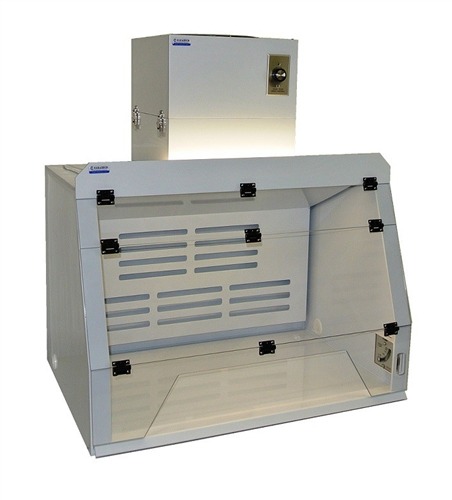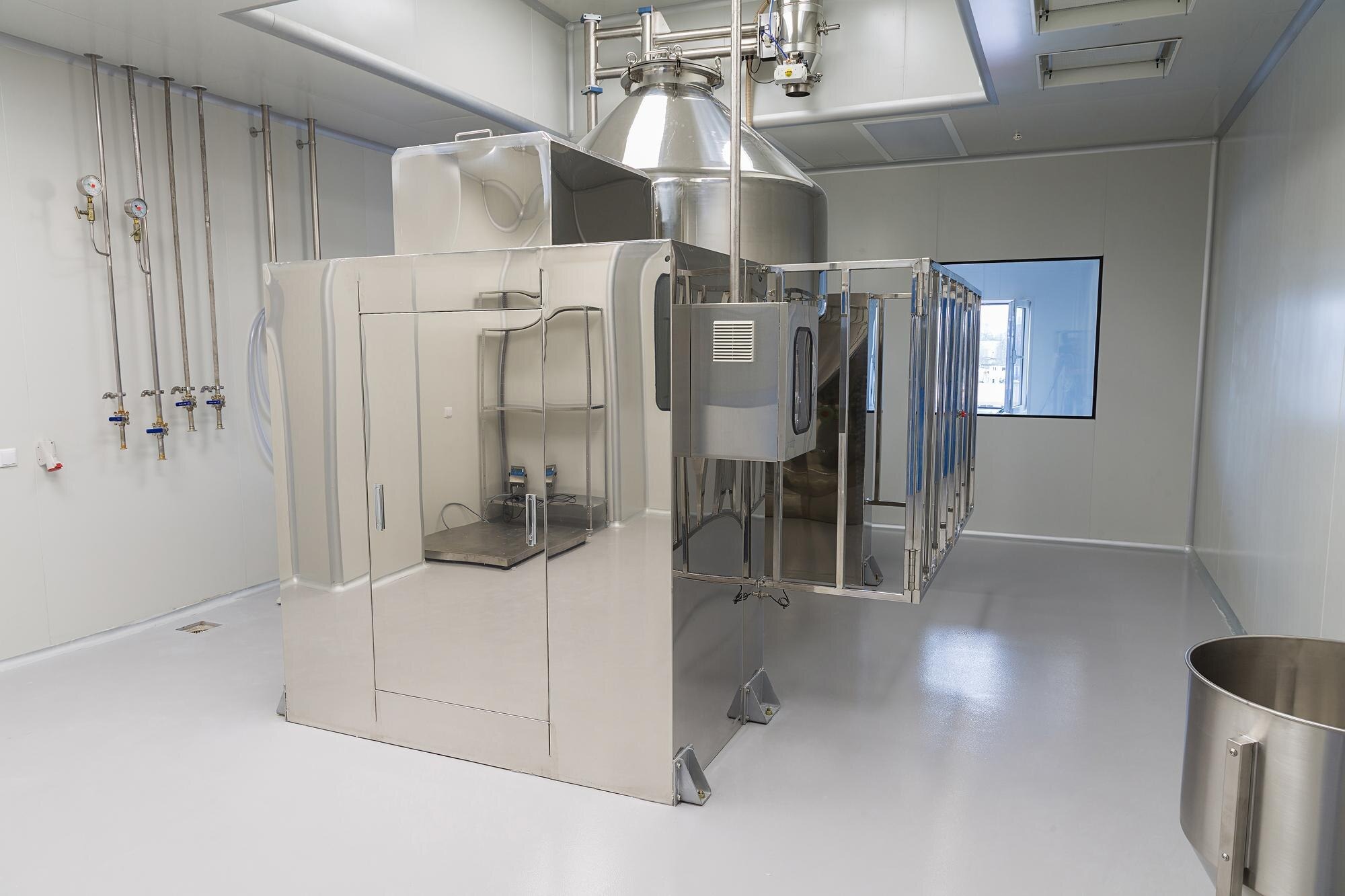
When you work with contamination-sensitive samples, components, or materials, maintaining a clean workspace is essential. A Laminar Flow Hood gives you a controlled work area where filtered air moves continuously across the workspace to help minimize airborne particulate contamination.
If you are searching for a laminar flow hood for sale, you should look beyond the purchase price. Your laboratory application, available space, airflow direction, filtration requirements, construction material, and required accessories should all influence your decision.
The right equipment can improve your workflow while providing a cleaner environment for sensitive laboratory procedures.
What Is a Laminar Flow Hood?
A laminar flow hood is a laboratory workstation designed to provide a clean, controlled airflow over the work surface. The system draws air through a high-efficiency filter and distributes the filtered air through the work area in a consistent direction.
The primary purpose is to protect your work from airborne particles. Depending on the design, filtered air may travel horizontally from the rear of the enclosure toward the front or vertically from the top toward the work surface.
You should select the airflow configuration according to the type of work you perform and how you organize materials inside the enclosure.
A laminar flow hood is generally intended for product and sample protection, not for protecting you from hazardous substances. If your procedure involves hazardous biological, chemical, or other dangerous materials, you need containment equipment specifically designed for that hazard.
How Does a Laminar Flow Hood Work?
A laminar flow hood uses a blower or fan to move air through a filtration system. The filter captures airborne particles before the air enters the clean workspace.
Once filtered, the air moves through the work area in a controlled pattern. This continuous airflow helps reduce the chance of airborne particles settling on exposed samples or components.
The basic process includes:
- Room air enters the unit.
- The blower moves air toward the filtration system.
- The filter removes airborne particulate matter.
- Filtered air enters the workspace.
- Air moves across the work surface in a consistent direction.
Your operating technique still matters. You should avoid overcrowding the workspace, blocking airflow, or making unnecessary movements that could disturb the clean-air pattern.
Where Can You Use a Laminar Flow Hood?
You can use a laminar flow hood in many applications where protection against airborne contamination is important and hazardous containment is not required.
Common applications include:
- Sample preparation
- Non-hazardous laboratory procedures
- Pharmaceutical preparation
- Electronics assembly
- Optical component handling
- Medical device production
- Precision parts assembly
- Tissue culture involving appropriate non-hazardous materials
- Semiconductor-related work
- Inspection of contamination-sensitive components
Your specific application should determine the type and configuration you choose.
For example, a small benchtop unit may be sufficient for occasional laboratory work, while a larger free-standing system can provide more room for equipment, instruments, and production activities.
Horizontal vs. Vertical Airflow
One of your first decisions should be whether you need horizontal or vertical airflow.
Horizontal Laminar Airflow
A horizontal system moves filtered air from the rear of the workspace toward the front.
This configuration can be useful when you need clean air to move directly across materials placed on the work surface. It may be suitable for electronics, optics, assembly, and other contamination-sensitive applications.
You should consider the position of your hands and materials because objects placed between the filter and the work area can influence the airflow pattern.
Vertical Laminar Airflow
A vertical system directs filtered air downward toward the work surface.
This configuration can provide a practical solution for applications where downward airflow fits your working technique and equipment arrangement. It can also help you organize the workspace vertically without requiring airflow to travel directly toward the operator.
Before purchasing, evaluate your procedure and determine which airflow direction supports your workflow most effectively.
What Should You Check When Buying a Laminar Flow Hood?
When you find a Laminar Flow Hood for sale, create a specification checklist before making your purchase. This can help you compare different models more objectively.
1. Determine the Required Size
Measure the available laboratory area first. Consider the unit’s width, depth, and height, along with the space required for installation and maintenance.
You should also measure the equipment you plan to place inside the workspace. A hood that looks large enough online may not provide sufficient working room once instruments and materials are installed.
2. Check the Filtration System
Filtration is central to clean-air performance. Many laminar flow systems use HEPA filtration, while some applications may require ULPA filtration.
Ask about filter efficiency, replacement procedures, expected service life, and filter monitoring options. You should select filtration based on your cleanliness requirements rather than choosing a system solely because it has a particular filter type.
3. Evaluate Construction Materials
The material used to construct the hood can affect durability, cleaning, chemical resistance, and long-term maintenance.
Depending on your application, you may encounter stainless steel, polypropylene, coated steel, acrylic, PVC, and other construction options.
Choose materials that are compatible with your cleaning procedures and the substances handled in your workspace.
4. Review Airflow Performance
Consistent airflow is important for maintaining the intended clean environment.
Before purchasing, review the manufacturer’s airflow specifications and understand how airflow is measured. If your laboratory operates under specific quality requirements, determine whether testing, certification, or periodic verification will be necessary.
5. Consider Available Features
Additional features can make your equipment easier to operate.
Depending on the model, you may consider:
- Digital controls
- Airflow monitoring
- Filter monitoring
- Electrical outlets
- UV lighting
- Adjustable work surfaces
- Sashes
- Static-control options
- Mobile stands
- Custom dimensions
You should only pay for features that support your actual workflow. Unnecessary options can increase the purchase price without providing meaningful benefits.
Why Should You Consider a Quality Laboratory Equipment Supplier?
Your supplier can influence more than the initial purchase. Technical guidance, equipment configuration, customization, replacement components, and after-sales support can all affect the long-term value of your investment.
CleaTech LLC provides laboratory and cleanroom equipment for controlled environments. Its product range includes clean-air workstations and other laboratory equipment designed for different research, manufacturing, and contamination-control requirements.
You can review the available laboratory laminar flow hood configurations to compare different designs and applications.
When evaluating a supplier, you should look for clear product specifications, technical information, appropriate customization options, and responsive customer support.
How Can You Prepare Before Ordering?
You can make the purchasing process easier by preparing your requirements in advance.
Write down:
- The application
- Materials handled
- Required workspace dimensions
- Preferred airflow direction
- Filtration requirements
- Available laboratory space
- Electrical requirements
- Required accessories
- Cleaning procedures
- Maintenance expectations
You should also consider how the hood will enter your facility. Check doorways, elevators, corridors, ceiling clearance, and installation access before placing the order.
Providing accurate information to the supplier can help you identify an appropriate configuration and reduce the risk of ordering equipment that does not fit your facility.
How Should You Operate a Laminar Flow Hood?
Proper operation is just as important as selecting the right equipment.
Before beginning work, clean the workspace according to your laboratory’s established procedure. Allow the unit to operate for the recommended period before introducing materials if the manufacturer’s instructions require a stabilization period.
Arrange materials so they do not unnecessarily block the airflow. Keep the workspace organized and avoid placing unnecessary items inside the hood.
During your procedure, minimize rapid movements and avoid reaching over exposed materials whenever possible. At the end of the process, remove materials carefully and clean the work surface according to your laboratory’s cleaning protocol.
Always follow the manufacturer’s operating instructions and your organization’s safety procedures.
How Do You Maintain the Equipment?
Regular maintenance helps you keep the system operating as intended.
You should routinely inspect the work area, monitor airflow indicators where provided, clean accessible surfaces, and follow the manufacturer’s recommendations for filter inspection and replacement.
Do not attempt to replace or modify critical components without following the manufacturer’s procedures. If your laboratory requires documented performance verification, maintain appropriate records for inspections, testing, servicing, and certification.
A maintenance schedule can help you identify potential problems before they interfere with laboratory operations.
Common Purchasing Mistakes to Avoid
You can avoid many problems by taking a practical approach to purchasing.
Choosing only by price: The least expensive unit may not meet your application, size, filtration, or construction requirements.
Ignoring airflow direction: Horizontal and vertical systems support different workflows. Select the configuration that suits your process.
Overlooking installation requirements: A hood must physically reach and fit into your laboratory.
Overcrowding the workspace: Too much equipment can interfere with airflow and make cleaning more difficult.
Using the wrong type of enclosure: A laminar flow hood should not be treated as a substitute for equipment designed for hazardous containment.
Skipping maintenance planning: Filters and airflow systems require appropriate inspection and servicing.
Choose a Laminar Flow Hood Based on Your Application
Finding the right Laminar Flow Hood starts with understanding what you need to protect, how you work, and what your laboratory can accommodate.
Instead of choosing equipment based only on availability or price, compare filtration, airflow direction, workspace size, construction materials, controls, accessories, maintenance requirements, and installation considerations.
You can also discuss your specific application with the supplier before purchasing. If you need technical assistance or want to discuss equipment requirements, use the laboratory equipment consultation and Contact Us information to provide your application details.
A careful evaluation helps you choose a system that fits your workspace and supports consistent laboratory operations over the long term.
Frequently Asked Questions
1. What is the main purpose of a Laminar Flow Hood?
A Laminar Flow Hood provides a controlled, filtered-air workspace designed primarily to protect samples, products, and contamination-sensitive materials from airborne particles during appropriate laboratory or manufacturing procedures.
2. Should you choose horizontal or vertical airflow?
Choose based on your workflow, equipment arrangement, available space, and contamination-control requirements. Horizontal systems move air toward the operator, while vertical systems direct air downward toward the work surface.
3. Can you use a laminar flow hood with hazardous materials?
Generally, no. A laminar flow hood is primarily intended for product protection. If your work involves hazardous biological or chemical materials, select containment equipment designed specifically for the hazards involved.
4. How often should you maintain a laminar flow hood?
Follow the manufacturer’s maintenance recommendations and your laboratory’s quality requirements. Routine cleaning, airflow monitoring, filter inspection, and appropriate performance verification can help maintain reliable operation.
5. What should you consider before purchasing?
Consider your application, airflow direction, workspace size, filtration, construction materials, laboratory space, electrical requirements, accessories, maintenance needs, and any applicable testing or certification requirements.