Search visibility rarely improves by accident. If your website is not attracting the right visitors, your rankings have stopped growing, or competitors consistently appear ahead of you, it may be time to consider professional SEO support. Knowing when to hire an SEO agency can help you avoid wasted time, inconsistent results, and missed opportunities.
Hiring a professional team is not only about improving rankings. The right SEO strategy can help you attract qualified visitors, strengthen your online presence, improve user experience, and turn organic traffic into meaningful business opportunities.
If you are evaluating whether professional SEO support is right for you, understanding the warning signs can make the decision easier.
Your Website Is Not Getting Enough Organic Traffic
One of the clearest signs that you may need SEO support is consistently low organic traffic. You might have a professionally designed website, useful services, and strong products, but none of these advantages matter if potential customers cannot find you through search engines.
Before hiring an agency, review your organic traffic trends. Look for declining impressions, fewer clicks, poor-performing landing pages, and keywords that have stopped gaining visibility.
A professional SEO team can analyze these issues and identify whether the problem comes from weak keyword targeting, technical problems, limited content, poor internal linking, weak backlinks, or search intent mismatches.
Instead of simply publishing more pages, you can develop a focused strategy based on what your audience actually searches for.
Your Rankings Have Stopped Improving
SEO growth is not always linear. You may reach a point where your rankings remain stuck despite publishing content and making occasional website changes.
This plateau can happen for several reasons. Your competitors may have stronger content, better backlinks, greater topical authority, or a more technically optimized website. Search intent may also have changed since you originally created your pages.
Working with a professional SEO provider can help you identify ranking barriers and prioritize improvements. A detailed SEO audit can reveal opportunities that are difficult to spot when you are managing your website without specialist tools or experience.
You Are Targeting the Wrong Keywords
Choosing keywords simply because they have high search volume can lead to disappointing results. Your goal should be to target searches that match your services, audience, location, and business objectives.
For example, a local service provider may benefit more from specific searches such as “SEO agency for small businesses in Delhi” than from an extremely broad term such as “SEO.”
A professional team can organize keywords according to search intent, including informational, commercial, navigational, and transactional searches. This helps you create content for different stages of the customer journey.
The result is a more focused strategy that prioritizes relevant traffic rather than traffic numbers alone.
Your Competitors Are Consistently Ahead
If competitors repeatedly appear above your website for important searches, do not assume they simply have larger marketing budgets.
They may have stronger content clusters, better technical SEO, more authoritative backlinks, optimized local profiles, or a more effective internal linking structure.
Competitor analysis can show you where their visibility is stronger and where opportunities remain available. Instead of copying competitors, you can identify gaps and build a strategy around areas where your business can provide better information or a stronger customer experience.
You Do Not Have Time to Manage SEO Properly
SEO requires consistent attention. Keyword research, content planning, technical improvements, internal linking, local optimization, performance monitoring, and competitor research can quickly become a full-time responsibility.
If you are running a business, managing customers, overseeing employees, or handling sales, SEO may repeatedly move down your priority list.
This inconsistency can limit your results.
Hiring Pro SEOs Agency can give you access to specialized SEO knowledge while allowing you to focus on operating your business. Professional support can also provide a structured process instead of relying on occasional SEO tasks.
Your Website Has Technical SEO Problems
A website can look excellent to visitors while still creating problems for search engines.
Technical SEO issues can include slow-loading pages, broken links, poor mobile performance, duplicate content, incorrect redirects, indexing problems, missing structured data, weak site architecture, and crawlability issues.
These problems can affect how search engines discover, understand, and evaluate your website.
A technical SEO review can help you identify high-priority issues and fix them systematically. You do not necessarily need to change everything at once. Start with problems that have the greatest potential effect on crawling, indexing, user experience, and search visibility.
You Are Launching a New Website
A website launch is one of the best times to involve an SEO professional.
Waiting until after launch can create avoidable problems. URL structures, redirects, page hierarchy, metadata, internal links, content organization, and technical settings should be considered before your new website goes live.
If you are redesigning an existing website, SEO planning becomes even more important. Changing URLs without proper redirects can cause valuable pages to lose visibility.
Getting SEO involved early allows you to build search considerations into the website rather than trying to repair problems later.
You Want More Local Customers
If your business serves customers in a particular city, region, or service area, local SEO should be part of your strategy.
Your potential customers may search for services using location-specific phrases such as “SEO agency in Delhi,” “digital marketing company near me,” or service-plus-city queries.
Local SEO can involve optimizing your Google Business Profile, developing location-relevant content, improving NAP consistency, earning local links, collecting genuine customer reviews, and creating useful location pages.
For businesses operating in competitive areas such as Delhi, local optimization can help you compete for customers who are actively looking for nearby services.
You Are Struggling to Turn Traffic Into Leads
More traffic does not automatically mean more customers.
If visitors reach your website but rarely call, submit forms, request quotes, or make purchases, you may have a conversion problem rather than a traffic problem.
Professional SEO should consider what happens after a user arrives on your website. Your landing pages need clear messaging, relevant information, strong calls to action, easy navigation, mobile usability, and content that addresses customer concerns.
SEO and conversion optimization should work together. Attracting the right visitor is only the first step.
You Need a Stronger Content Strategy
Publishing random blog posts is unlikely to produce sustainable results.
You need content that answers real questions, demonstrates expertise, matches search intent, and supports your important service pages.
A strong content strategy can include topic clusters, supporting articles, FAQs, comparison pages, service content, local landing pages, and content designed to answer specific customer questions.
This approach also supports answer-focused search experiences. Clear headings, direct answers, structured information, relevant entities, and concise explanations can make your content easier for search systems and users to understand.
You Want to Prepare for AI Search
Search behavior is evolving. People increasingly expect direct answers, summaries, recommendations, and comparisons from AI-powered search experiences.
This means your SEO strategy should extend beyond traditional blue-link rankings.
You can improve your visibility by creating authoritative content, answering specific questions, strengthening topical relevance, demonstrating expertise, and maintaining consistent business information across relevant platforms.
Answer Engine Optimization (AEO) and Generative Engine Optimization (GEO) can complement traditional SEO by focusing on how your information may be surfaced, understood, and referenced in AI-driven search experiences.
The goal should not be to chase every new trend. Instead, build a website that provides genuinely useful, trustworthy, well-structured information.
You Have No Clear SEO Measurement Process
Another important reason to hire an agency is the absence of meaningful measurement.
If you only look at rankings occasionally, you may not understand whether your SEO investment is producing business value.
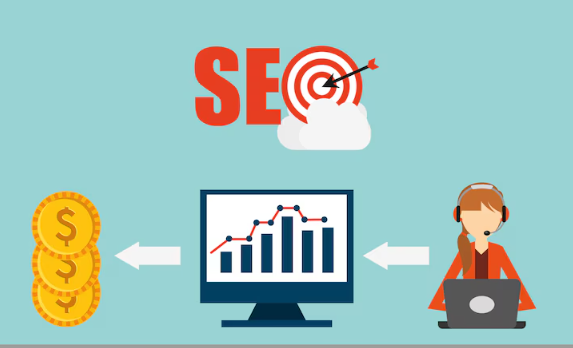
Useful metrics can include organic clicks, impressions, keyword visibility, qualified traffic, engagement, leads, conversions, local visibility, indexed pages, and conversion rates.
You should connect SEO activity to business objectives. For example, ranking improvements matter more when they help attract relevant prospects and generate inquiries.
A professional reporting process can help you understand what is working, what needs improvement, and where your next investment should go.
When Is the Right Time to Hire an SEO Agency?
There is no single business size or revenue level that determines when you should hire an SEO agency.
You should consider professional support when SEO becomes too complex, time-consuming, or important to manage without specialized expertise.
The right time may be before launching a website, when organic traffic declines, when competitors gain visibility, when you enter a new market, or when you need a predictable strategy for generating qualified leads.
You should also consider your internal resources. If you have an experienced SEO professional in-house, an external agency may not be necessary for every task. However, specialist support can still be useful for technical audits, strategy development, local SEO, content planning, or larger website projects.
How to Choose the Right SEO Agency
Before hiring an agency, evaluate its approach rather than focusing only on promises.
Look for a team that:
- Starts with research and an SEO audit.
- Understands your industry and target audience.
- Builds strategies around search intent.
- Prioritizes technical SEO and website usability.
- Creates useful, original content.
- Understands local SEO when location matters.
- Considers AEO and GEO alongside traditional SEO.
- Provides clear reporting and measurable goals.
- Avoids unrealistic ranking guarantees.
- Communicates recommendations in language you can understand.
You should also ask how the agency handles algorithm changes, content quality, link building, technical problems, and performance reporting.
A good SEO relationship should feel like a long-term business partnership rather than a collection of disconnected tasks.
What Should You Do Before Hiring?
Before contacting an SEO agency, define what you want to achieve.
Your objective might be to increase qualified leads, improve local visibility, launch a new website, recover lost rankings, enter a new market, or build long-term organic traffic.
Gather basic information about your current performance, including your important services, target locations, top competitors, existing traffic, and major business goals.
Then discuss these details with the agency. The more clearly you define your objectives, the easier it becomes to create an SEO strategy that supports your business.
If you are ready to discuss your website, SEO challenges, and growth objectives, you can Contact Us to explore the next steps.
Final Thoughts
You should hire an SEO agency when search visibility becomes an important part of your growth but you lack the time, expertise, or resources to manage it effectively.
Whether your rankings have stalled, your website has technical problems, your competitors are gaining ground, or you want more customers from local and organic search, professional SEO can give you a structured path forward.
The best approach is not to chase rankings for their own sake. Focus on reaching the right audience, answering their questions, improving their experience, and creating clear paths toward conversion.
When SEO is connected to your broader business goals, your website can become more than an online presence. It can become a consistent source of qualified discovery, trust, leads, and long-term growth.
Frequently Asked Questions
1. When should a small business hire an SEO agency?
You should consider hiring an SEO agency when you lack internal expertise, organic visibility is weak, competitors are gaining ground, or you need a consistent strategy for attracting qualified search traffic.
2. Can an SEO agency help a new website?
Yes. An SEO agency can help you establish search-friendly website architecture, keyword targeting, technical foundations, content planning, internal linking, and tracking before and after launch.
3. How long does SEO take to produce results?
SEO results vary by competition, website condition, industry, authority, content quality, and strategy. You should evaluate progress through visibility, traffic, rankings, leads, and conversions rather than expecting instant results.
4. Should local businesses invest in local SEO?
Yes. If you serve customers within specific cities or regions, local SEO can help improve visibility for location-based searches and make it easier for nearby customers to discover your business.
5. What should you look for in an SEO agency?
Look for transparent communication, realistic expectations, customized strategies, technical expertise, useful content practices, local SEO knowledge, measurable reporting, and a clear focus on business outcomes.