

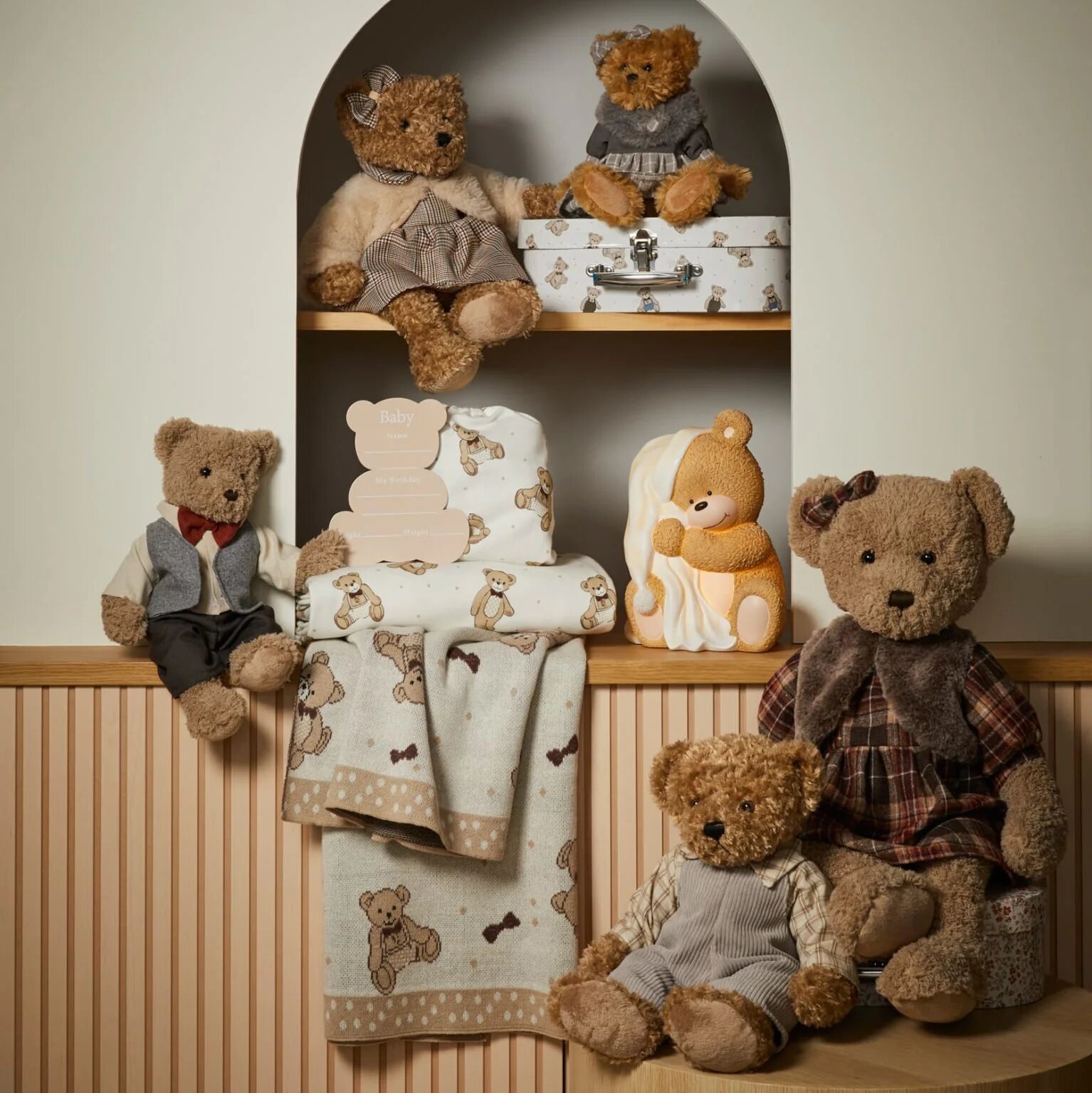
Swaddling a newborn in a blanket or cloth is a timeless custom that provides warmth and safety. This historical tradition shows care, comfort, and compassion for our newborns across countries and generations. Swaddling was used for generations to provide babies with a sense of security, like in the womb. Baby swaddling calms fussy newborns by wrapping them in a snug wrap. This mild compression comforts newborns as they adjust to life outside the womb by mimicking being carried.
Swaddling regulates a baby’s body temperature and provides emotional comfort. Newborn swaddles are prone to temperature changes due to their inability to control body heat. Swaddling keeps body temperature steady, reducing overheating and cooling and improving sleep quality. Swaddling also helps babies manage the startle reflex, which leads them to twitch their limbs. Swaddling prevents these quick movements from interrupting newborns’ slumber, allowing both the baby and caregiver to relax longer.
Benefits of Swaddling:
Swaddling provides both short-term and long-term benefits for newborn development. Swaddling babies may boost neuromuscular development and motor skills, according to research. Swaddling may also strengthen parent-child bonds and promote healthy attachment and emotional well-being. Swaddling is praised in modern parenting for its simplicity, usefulness, and capacity to strengthen parent-child bonds, despite its ancient beginnings. Swaddling newborns is a timeless display of affection that keeps them safe, warm, and loved.
Best choice for Swaddling:
Choosing the correct baby blanket is crucial for successful swaddling. Choose muslin or cotton blankets. These textiles are gentle on delicate skin and airy to minimise overheating. Avoid rough or thick blankets that may cause discomfort and overheating.After acquiring the ideal blanket, practicing the swaddling technique is the next stage.
Follow these steps:
Spread the blanket in a diamond with one corner down.
Fold top corner down for straightness.
Lay your baby on the blanket with their head above the folded edge and shoulders below.
Gently drape one side of the blanket around your baby’s torso, tucking their arm.
Securely wrap your baby’s feet with the blanket’s bottom corner.
Tuck the blanket’s other side beneath your baby’s torso for a snug fit.
Successful Swaddling Tips:
Swaddling seems simple, but it takes practice to perfect. Here are some success tips:
Swaddling, or enveloping a baby in a blanket, is essential to infant care. This approach, designed to mimic the womb’s warmth and comfort, demands a precise balance of technique and baby needs. Swaddling is an art that can benefit from a collection of tried-and-true tips. We discuss the complexities of successful swaddling to help caretakers.
Practice makes perfect.
Swaddling proficiency first comes from repetition. The blanket may not stay in place or the wrap may be overly loose, making the first try difficult. With each swaddle, one learns the right cloth tension and baby comfort. Swaddling, like learning a new language or instrument, becomes automatic with practice.
Finding Balance:
A good swaddle is snug, but neither too loose or too restricting. A loose swaddle doesn’t give security and may fall undone, obscuring the baby’s face. However, a tight swaddle, especially over the hips and legs, might hamper development and cause hip dysplasia. A good swaddle lets the infant move their hips and legs freely with gentle resistance, like a hug.
Regulation of temperature:
Temperature regulation in swaddling is often disregarded. Due to their developing thermoregulatory mechanisms, newborns depend on external influences to maintain body temperature. Thus, to avoid SIDS-related overheating, the baby’s environment and swaddle must be monitored and adjusted. Using breathable fabrics and altering the baby’s clothing inside the swaddle can help maintain a comfortable temperature.
Explore Swaddling Techniques:
Swaddling isn’t one-size-fits-all; what works for one infant may not work for another. Some babies like a tighter swaddle, while others like greater flexibility. Medical issues or physical needs may dictate swaddling manners. Trying several methods and watching the baby’s reaction lets carers customise the swaddling experience for comfort and safety.
Changing with the Baby:
Swaddling becomes less necessary as babies grow. Babies may outgrow swaddling as early as two months, while some may benefit longer. Recognition of these signs is crucial. More fussiness, frequent efforts to break free, or rolling over indicate it’s time to stop swaddling. With gradual withdrawal, the infant can adjust to a new sensation of freedom while maintaining their comfort and security.
Conclusion:
Swaddling is a traditional technique with many benefits for infants and caretakers. Swaddling and choosing the proper baby blanket can give your baby the warmth, stability, and comfort they need to thrive. Swaddling is a time to bond with your happy baby, so be patient and flexible. Swaddling is an art form that expresses love, care, and attention. Caregivers can provide a safe and nurturing environment for the baby by practicing often, ensuring the swaddle is snug but not too tight, checking temperature, trying new techniques, and adapting to the baby’s growth. Swaddling can bring serenity and satisfaction to both the infant and caregiver when done properly.


