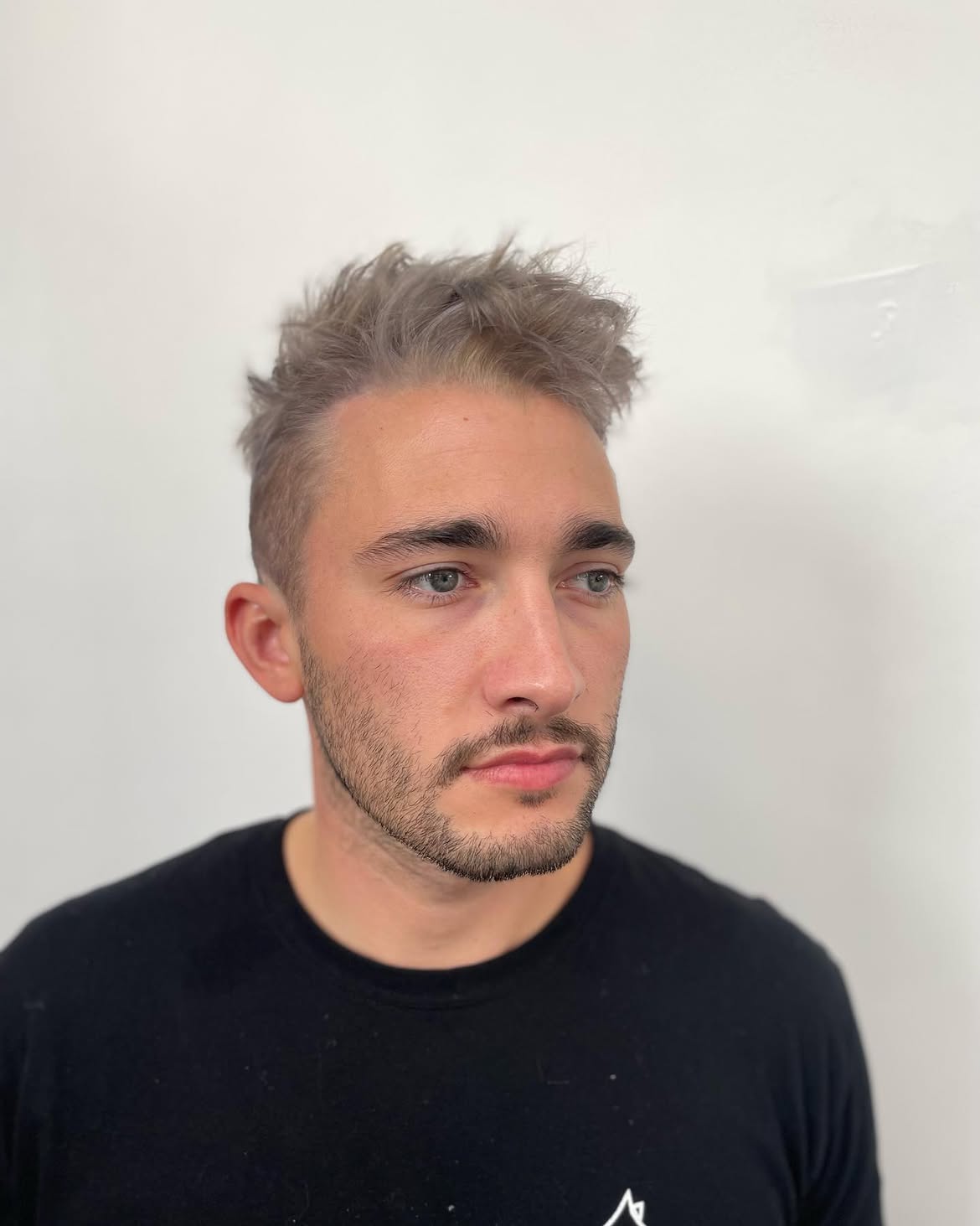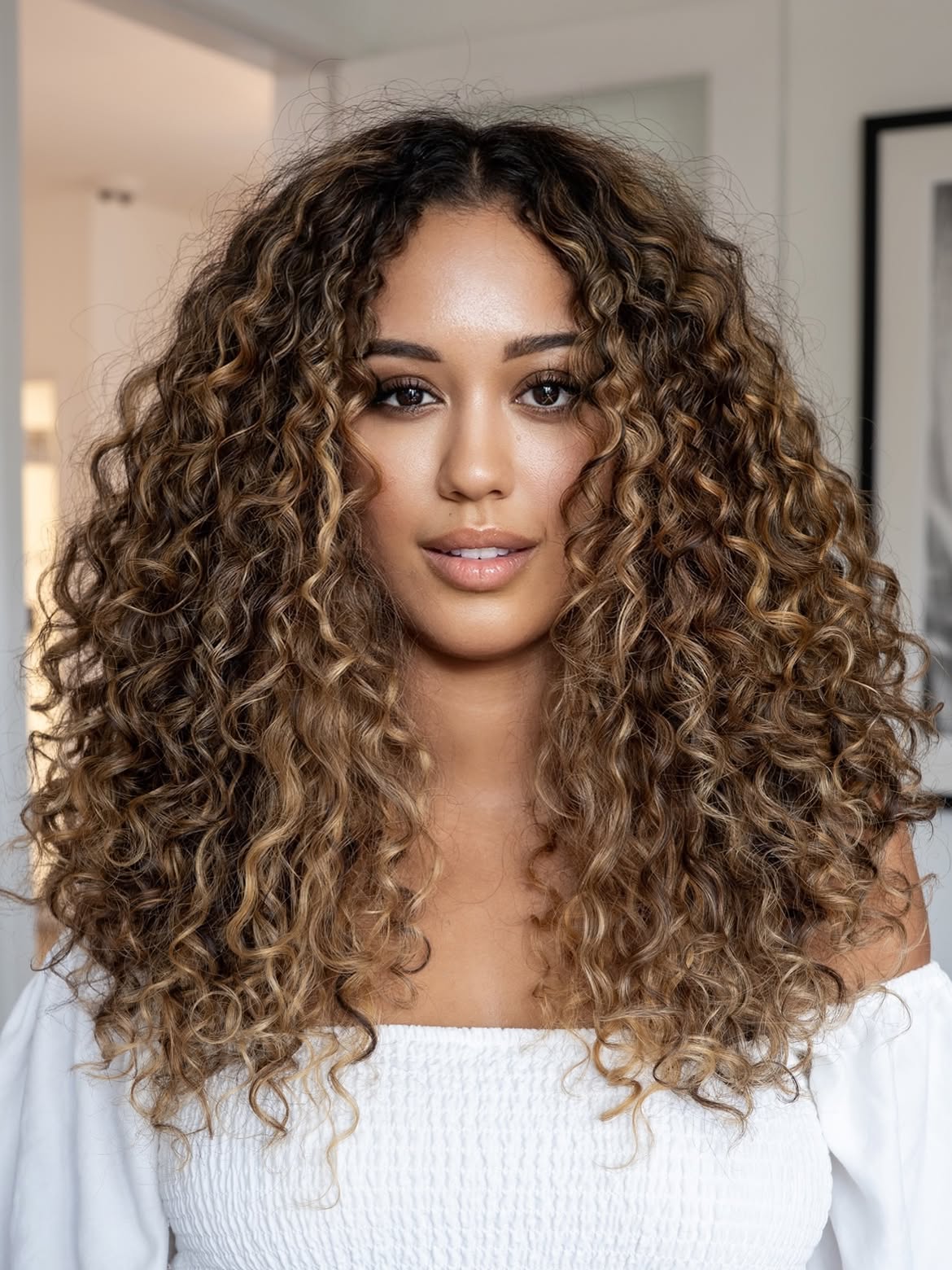
Blonde hair is at its most beautiful when brightness and depth work together. While lighter pieces create radiance and draw attention to the face, deeper tones add contrast, richness, and movement. The result is dimensional blonde hair that looks natural, polished, and full of life rather than flat or overly uniform.
Achieving this balance requires more than simply lightening the hair. It involves understanding your natural base color, choosing complementary blonde tones, and placing highlights strategically to suit your haircut, skin tone, and personal style. Whether you prefer soft, sunlit blonde or a brighter, more noticeable transformation, the right color plan can create a result that feels uniquely yours.
At Salon Mérite, a Seattle hair salon for personalized blonde color and dimensional styling, thoughtful color placement and individual consultation help guide the process toward a look that complements your features and lifestyle.
What Is Blonde Dimension?
Blonde dimension refers to the combination of lighter and darker tones throughout the hair. Instead of using one uniform shade, a dimensional blonde look incorporates variations that create visual depth, softness, and shine.
For example, creamy blonde highlights against a natural dark blonde base can create subtle contrast, while honey and beige tones can bring warmth and richness to a lighter brunette base. A soft shadow root can connect these shades, creating a seamless transition between the roots and lighter lengths.
Several techniques can help create dimensional blonde hair, including balayage, traditional highlights, babylights, lowlights, root melting, and glossing. The most appropriate combination depends on your starting color, desired brightness, and hair condition.
The goal is not necessarily to make every strand lighter. It is to create a balanced blend of tones that allows the blonde to stand out beautifully.
Why Brightness and Depth Matter Equally
Brightness gives blonde hair its luminous quality. Strategically placed highlights can illuminate the face, emphasize layers, and create the appearance of movement through the lengths.
However, when the hair becomes uniformly light, individual highlights may lose their definition. The overall color can appear flat, even when the blonde itself is beautiful.
Depth provides the contrast needed to make lighter pieces more noticeable. Natural roots, subtle lowlights, and slightly deeper shades through selected sections can help the blonde look fuller and more dimensional.
A well-balanced result brings these elements together. Brightness adds radiance, while depth creates structure. Neither needs to dominate the other.
For clients who want blonde hair that looks sophisticated without feeling overly highlighted, preserving some natural depth can make a meaningful difference.
Choosing the Right Balance for Your Blonde
The ideal relationship between brightness and depth depends on your natural coloring, hair history, and preferred maintenance routine.
- Soft, Natural Blonde
If you prefer an understated result, ask for fine highlights and gentle tonal variation. Babylights or carefully placed balayage can introduce brightness without creating strong contrast.
Keeping the root area close to your natural color can also soften regrowth. This approach works well for clients who want a sunlit appearance that complements their everyday style.
Beige, neutral, and soft honey tones may help create a natural-looking finish, depending on your base color and complexion.
- Bright, Face-Framing Blonde
For a more noticeable blonde look, brighter pieces around the face can create an illuminated effect. These lighter sections can be combined with softer highlights throughout the rest of the hair to maintain balance.
The key is to avoid making the front sections look disconnected from the overall color. A skilled colorist considers how the face-framing pieces blend into the crown, mid-lengths, and ends.
This approach can suit clients who enjoy a brighter blonde while still wanting a cohesive, polished finish.
- Dimensional Beige or Honey Blonde
Beige and honey blondes can offer a beautiful middle ground between cool and warm tones. Combining different shades within the same tonal family creates dimension without introducing excessive contrast.
For example, creamy blonde highlights paired with soft beige lowlights can produce a balanced, multi-tonal effect. Honey blonde accents may add warmth and reflect light beautifully through the lengths.
The right choice depends on your natural pigment, complexion, and the final appearance you want to achieve.
- Bright Blonde With a Soft Root
Clients who love lighter lengths but want a more gradual grow-out may benefit from a shadow root or root melt. These techniques soften the transition between the natural base and highlighted sections.
Rather than creating a sharp line where the roots meet the blonde, the color gradually blends from deeper tones into lighter lengths. This can make regrowth less noticeable and help the overall style feel more natural.
Your stylist can determine how much root depth to preserve without compromising your desired level of brightness.
How a Blonde Specialist Creates Dimension
Dimensional blonde color is most successful when the technique supports the intended result. A professional color consultation helps determine which areas need more light, where depth should remain, and how the different tones will work together.
A personalized appointment may involve several considerations:
- Hair history: Previous color, lightening, and chemical services affect how the hair responds to additional processing.
- Natural base color: Your starting shade influences the amount of lightening needed and the tones that may appear during the process.
- Highlight placement: Brightness can be concentrated around the face, crown, or selected lengths according to your preferred style.
- Tonal balance: A gloss or toner can help refine warmth, coolness, and the relationship between different blonde shades.
- Hair condition: The color plan should account for strength, elasticity, dryness, and previous damage.
Working with experienced Blonde Specialists in Seattle for customized highlights, seamless blending, and dimensional blonde color can help you understand which techniques suit your hair and what is realistically achievable in one appointment.
Sometimes, the best approach is to build brightness gradually rather than pursue an aggressive color change in a single session. Protecting hair condition is an important part of creating blonde that continues to look beautiful after leaving the salon.
Maintaining Beautiful Blonde Dimension Between Appointments
Dimensional blonde requires thoughtful maintenance, but the schedule will vary depending on your technique, natural base, and desired brightness.
Keep your tone balanced. Blonde hair can develop unwanted warmth or lose its original tonal character over time. A professional gloss or toner can refresh the shade and restore shine when needed.
Use suitable haircare products. A color-safe shampoo, moisturizing conditioner, and regular conditioning treatment can help maintain softness and manageability. Purple shampoo may help neutralize unwanted yellow tones in some blondes, but frequent use can leave certain shades looking dull or overly cool.
Limit unnecessary heat exposure. Excessive heat styling can contribute to dryness and breakage. Use a heat protectant and choose moderate styling temperatures whenever possible.
Schedule maintenance according to your color plan. Some clients benefit from regular highlight appointments, while others can maintain a softer look with less frequent lightening and occasional glossing. For lived-in blonde, a gloss every six to eight weeks may help maintain vibrant tone and shine, depending on how quickly the color fades and your stylist’s recommendations.
Communicate changes in your hair. If your ends feel dry, your blonde appears uneven, or you notice increased breakage, discuss these concerns before your next lightening service. Adjusting the plan may help preserve the quality of your hair while maintaining your desired look.
Is Dimensional Blonde Right for You?
Dimensional blonde can work across many hair lengths, textures, and natural colors. The important factor is choosing a placement and tonal balance that complement the way your hair naturally falls and moves.
Fine hair may benefit from carefully positioned highlights that create visual contrast without overwhelming the base. Thick hair can accommodate broader variations in tone, while curly or wavy hair may benefit from strategic placement that emphasizes the shape and movement of the texture.
Your lifestyle also matters. If you prefer fewer salon visits, a softer root transition and blended highlights may be more suitable than a high-contrast blonde that requires frequent maintenance.
Before your appointment, consider bringing inspiration photos that show both your preferred brightness and the amount of depth you would like to retain. Discuss what you like about each image rather than focusing only on the shade. This helps your stylist develop a plan suited to your hair rather than simply copying a reference.
At Salon Mérite, the aim is to create color that feels personal, balanced, and wearable, with brightness that enhances the hair rather than overpowering it.
Frequently Asked Questions About Dimensional Blonde
- What is the difference between dimensional blonde and traditional blonde?
Traditional blonde may use a more uniform shade, while dimensional blonde combines lighter and deeper tones. This variation creates contrast, movement, and a more natural-looking finish.
- Does dimensional blonde require highlights and lowlights?
Not always. Highlights, lowlights, balayage, root melting, and glossing can be combined as needed. Your stylist will select techniques based on your starting color, desired brightness, and hair condition.
- Can dimensional blonde look natural?
Yes. Preserving some natural depth, blending highlights carefully, and choosing complementary tones can create a soft, natural-looking blonde result.
- Is dimensional blonde lower maintenance?
It can be, particularly when the color includes a blended root and gradual transitions. However, maintenance depends on how bright you want your hair to remain and how quickly your roots grow.
- How do I keep my blonde from looking brassy?
Use color-safe haircare, avoid excessive heat, and follow your stylist’s recommendations for toning. A professional gloss or toner can help manage unwanted warmth and refresh the overall color.
- Can I add depth to blonde hair that already looks too light?
Often, yes. A stylist may recommend lowlights, root shading, or tonal adjustments to restore contrast. The appropriate method depends on your existing color, hair history, and condition.
- How do I know which blonde tones suit me?
Your natural hair color, skin tone, personal preferences, and maintenance routine all influence the best choice. A professional consultation can help identify tones that complement your features and achieve your desired effect.
Create Your Signature Blonde at Salon Mérite
Beautiful blonde hair is not simply about going lighter. It is about finding the right relationship between brightness, depth, tone, and movement. With a personalized color plan, blonde can look luminous and dimensional while remaining suited to your individual style.
If you are ready to discuss a new blonde look or refresh your current color, contact Salon Mérite to schedule a consultation about personalized blonde color in Seattle.