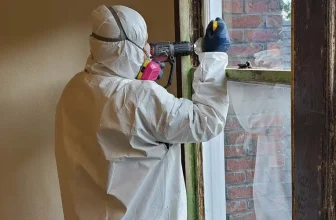
For many homeowners, discovering that their property contains lead paint can be alarming. Lead-based paint, commonly used in homes built before 1978, poses serious health risks if not handled properly. Whether you’re renovating, buying an older home, or concerned about your family’s safety, understanding lead paint removal is crucial.
This comprehensive guide covers everything you need to know about lead removal Salt Lake City UT, how it relates to lead abatement, and what steps you should take to protect your home and loved ones.
What Is Lead Paint Removal and Why Does It Matter?
Why Should Homeowners Care About Lead Paint?
Lead paint is a hazardous material because it can release toxic lead dust and chips, which are harmful when inhaled or ingested. Young children and pregnant women are particularly vulnerable to the dangers of lead exposure, which can cause developmental delays, neurological damage, and other severe health problems.
This is why lead paint removal isn’t just a cosmetic issue—it’s a critical safety concern for any home with aging paint.
How Is Lead Paint Removal Different from Lead Abatement?
lead abatement Los Angeles CA is a broader term that refers to all measures taken to reduce lead hazards in a home, including removal, encapsulation, enclosure, or replacement of lead-painted surfaces. Lead paint removal, on the other hand, specifically involves physically removing the lead-based paint from surfaces.
Both are important, but removal is often the most permanent way to eliminate lead risks.
What Are the Common Methods of Lead Paint Removal?
Professional contractors use several specialized techniques to safely remove lead paint:
• Chemical Stripping: Applying chemical agents to soften the paint so it can be scraped away without sanding or burning, which can release toxic dust or fumes.
• Wet Scraping and Sanding: Using water to suppress dust during the removal process.
• Heat Guns: Using controlled heat to loosen paint, but only under strict safety conditions to avoid lead fume release.
• Replacement: Sometimes, entire components like windows or doors are replaced rather than stripped.
Tip: DIY lead paint removal is not recommended due to the risk of spreading lead dust. Always hire certified professionals.
When Should You Consider Lead Paint Removal?
Signs You Might Need Lead Removal
• Your home was built before 1978 (when lead paint was banned).
• Paint on walls, windows, or trim is peeling, chipping, or cracking.
• You’re planning renovations that will disturb painted surfaces.
• Children or pets show symptoms of lead exposure (developmental delays, irritability).
• You’ve received a positive lead test from a certified inspection.
Ignoring these signs can put your family’s health at risk and lead to costly future remediation.
What Does the Lead Paint Removal Process Look Like?
Step-by-Step: What to Expect
• Inspection and Testing: Certified professionals assess your home to identify lead hazards.
• Planning: A detailed plan outlines the removal method, safety protocols, and timeline.
• Containment: Work areas are sealed off to prevent lead dust from contaminating other spaces.
• Removal: Using specialized techniques and protective gear, the lead paint is carefully removed.
• Cleanup: HEPA vacuuming and wet wiping ensure no lead dust remains.
• Clearance Testing: Post-removal testing confirms the area is safe to occupy.
How to Choose the Right Lead Removal Contractor?
• Look for certification and licensing in lead-safe work practices.
• Check for positive reviews and references.
• Ensure the contractor follows EPA’s Lead Renovation, Repair, and Painting (RRP) Rule.
• Ask about their cleanup and disposal procedures for lead-contaminated materials.
• Get a detailed written estimate before work begins.
Tips to Stay Safe During Lead Paint Removal
• Keep children and pregnant women away from the worksite.
• Don’t try to remove lead paint yourself—risks are high without proper equipment.
• Ensure proper ventilation and containment by the professionals.
• Follow all instructions regarding reentry and cleaning after removal is complete.
What Are the Benefits of Professional Lead Paint Removal?
• Health Protection: Removes toxic lead sources to reduce poisoning risks.
• Permanent Solution: Unlike encapsulation, removal eliminates the hazard entirely.
• Improved Property Value: Certified lead-safe homes are more attractive to buyers.
• Compliance: Meets legal requirements for safety in older homes.
Conclusion
Understanding the importance of lead paint removal Los Angeles CA and how it fits within the larger framework of lead abatement is essential for every homeowner, especially those with older properties. Proper removal is the most effective way to eliminate lead hazards, safeguarding your family’s health and enhancing your property’s value.
If you suspect your home contains lead paint, don’t wait for the problem to worsen. Engage a certified professional to perform thorough testing and, if necessary, safe and effective lead removal. Remember, your home should be a place of safety and comfort — and proper lead removal is key to making that happen.