

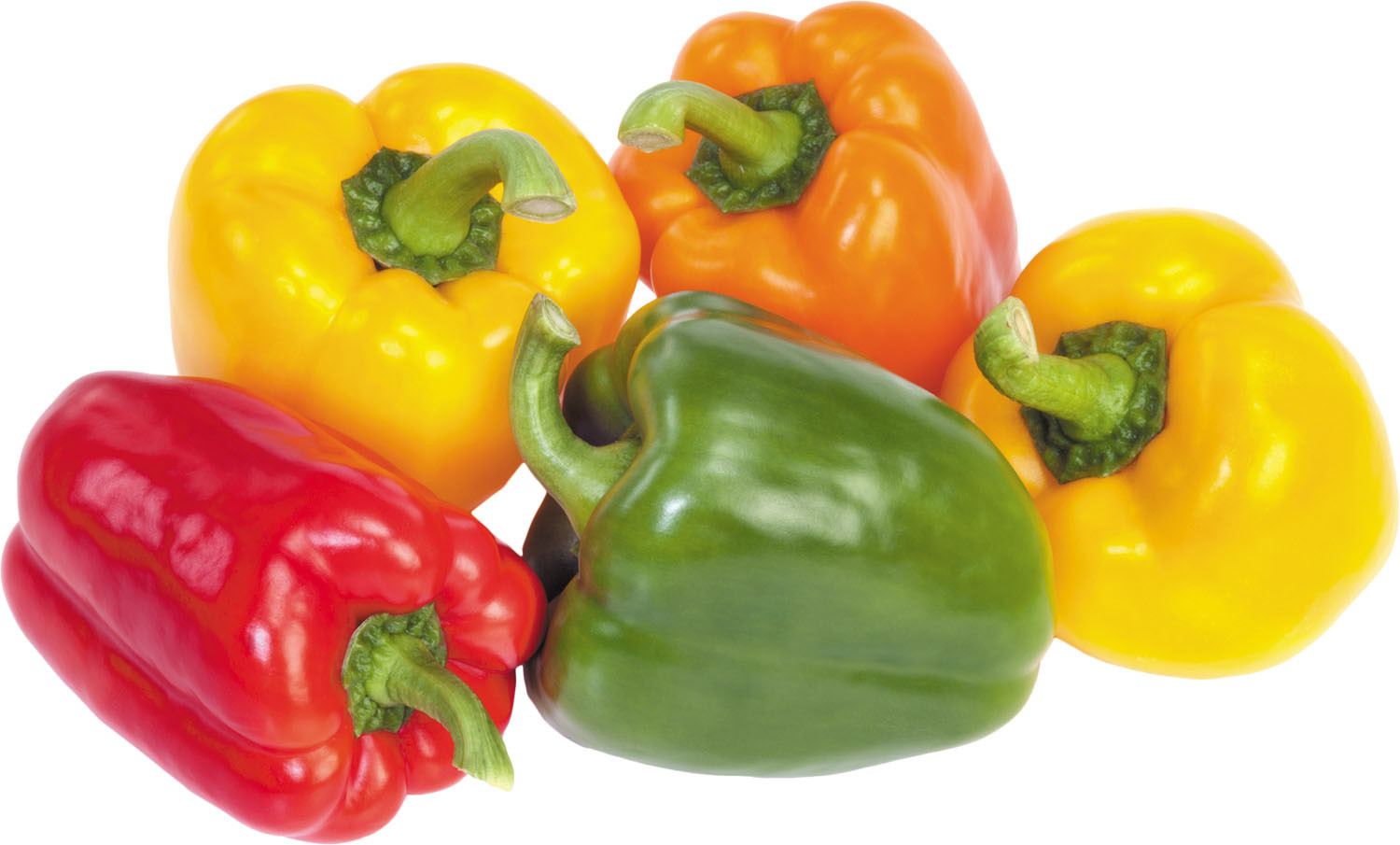
Transform your garden into a vibrant oasis of flavor by growing your own peppers vegetables. Whether you’re a seasoned gardener or a novice enthusiast, cultivating peppers at home is a rewarding experience that allows you to enjoy the freshest and most flavorful produce right from your backyard. In this comprehensive guide, we’ll delve into the art of growing peppers vegetables, from selecting the right varieties to caring for your plants, and how you can enhance your gardening journey with insights from a trusted tropical fruit supplier. So, let’s roll up our sleeves and spice up our gardens with peppers! tropical fruit wholesaler
Introduction to Peppers Vegetables
Peppers vegetables, also known as capsicums, are a diverse group of plants belonging to the nightshade family. These versatile vegetables come in a range of shapes, sizes, colors, and heat levels, making them a popular choice for home gardeners looking to add some spice to their culinary creations.
Selecting the Right Pepper Varieties
Sweet Peppers: Sweet peppers, such as bell peppers and banana peppers, are mild in flavor and are perfect for adding color and sweetness to salads, stir-fries, and sandwiches.
Hot Peppers: Hot peppers, such as jalapenos, habaneros, and Thai chilies, pack a punch of heat and are ideal for adding spice to salsas, curries, and marinades.
Choosing the Perfect Growing Conditions
Sunlight: Peppers thrive in full sunlight, so choose a spot in your garden that receives at least 6-8 hours of direct sunlight each day.
Soil: Peppers prefer well-drained, fertile soil with a pH level between 6.0 and 6.8. Amend your soil with compost or organic matter to improve its texture and fertility.
Watering: Keep your pepper plants consistently moist but not waterlogged. Water deeply once or twice a week, depending on the weather and soil conditions.
Caring for Your Pepper Plants
Fertilizing: Feed your pepper plants with a balanced fertilizer high in potassium, phosphorus, and nitrogen to promote healthy growth and abundant fruit production.
Pruning: Remove any dead or diseased branches from your pepper plants to improve air circulation and reduce the risk of pests and diseases.
Support: Stake or cage your pepper plants to provide support and prevent them from bending or breaking under the weight of their fruit.
Harvesting and Enjoying Your Peppers
Harvesting: Most peppers can be harvested when they reach their mature size and color. Use a sharp pair of scissors or pruners to cut the peppers from the plant, leaving a short stem attached.
Storing: Store harvested peppers in the refrigerator for up to two weeks or freeze them for long-term storage. Peppers can also be pickled or preserved in oil or vinegar for added flavor and shelf life.
Enhancing Your Gardening Journey with a Tropical Fruit Supplier
For additional insights and resources to enhance your gardening journey, consider partnering with a trusted tropical fruit supplier. These suppliers offer a wealth of knowledge and expertise in growing tropical fruits and vegetables, including peppers, and can provide valuable tips and advice to help you succeed in your gardening endeavors.
Conclusion
Growing peppers vegetables in your garden is a rewarding experience that allows you to enjoy the freshest and most flavorful produce right at home. By selecting the right varieties, providing optimal growing conditions, and caring for your plants diligently, you can harvest a bountiful crop of peppers to spice up your culinary creations and delight your taste buds.
So, whether you’re growing sweet bell peppers for salads, fiery habaneros for salsa, or colorful Thai chilies for curries, let the vibrant flavors and versatility of peppers vegetables transform your garden into a culinary paradise!


