

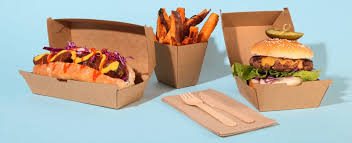
Imagine the last time you ordered a burger or a cup of coffee on the go. Did the packaging make an impression? More often than not, the answer is becoming a resounding “yes” as fast food businesses push the envelope, transforming their fast food containers into brand ambassadors. Unique packaging designs aren’t just catching eyes; they’re making waves across the industry by enhancing customer experience, promoting sustainability, and creating memorable brand identities.
The Rise of Custom Fast Food Packaging
In a world where convenience meets style, custom fast food packaging is setting the stage for revolution. Packaging, a practical necessity, has morphed into a critical market differentiator. Customized designs help brands tell their stories. Imagine sliding your fries out of a sleek, recyclable cardboard enclosure designed not just with logo but with a playful graphic and witty text, or grasping a custom disposable cup that feels ergonomic besides being ecologically sound.
Sustainability and Style Hand in Hand
Today’s consumer is not just eating; they’re engaging. They want stories, principles, and practices that resonate with their own. Responding to this, many companies have begun sourcing materials from certified, sustainable supplies. The modern fast food packaging box isn’t just about aesthetics; it respects the environment too. Companies are gravitating towards biodegradable and recyclable materials, dramatically reducing the environmental footprint of disposable products.
Enhanced Experience with Functional Innovations
Functionality also plays a pivotal role in the design of fast food packaging. For instance, features such as improved heat retention and leak-proof designs in fast food packaging boxes have enhanced the convenience of enjoying quick bites anywhere, without hassle. This functionality, coupled with attractive aesthetics, ensures that each meal is not just a dining experience but also a visual treat.
Building Brand Identity
Revolutionary packaging is crucial for brand recognition and customer loyalty. Custom fast food boxes, with their bespoke elements, make a brand instantly recognizable. It is the first interaction a customer has with a brand’s identity, often leaving an indelible impression. It acts as a silent salesman—effective, efficient, and expressive. Moreover, seasonal and promotional designs on packaging play pivotal roles in marketing strategies, creating buzz and excitement around products, making limited-time offers irresistible.
The Role of the Disposable Cup Manufacturer
The role of disposable cup manufacturers has evolved. They are no longer just suppliers; they are partners in creating brand experiences. A custom disposable cup does more than hold a beverage—it carries the brand’s ethos in ways that resonate with consumers. Whether it’s through innovative designs, incorporating biodegradable materials, or customizing shapes for better grip and insulation, today’s disposable cups are a testament to how far fast food packaging has come.
Visit this Wikipedia page for more insights into the evolution and varieties of disposable food packaging https://en.wikipedia.org/wiki/Disposable_food_packaging.
Shaping Consumer Perceptions
The subtle strategies employed in fast food packaging go a long way in shaping how consumers perceive a brand. With the vibrant competition in the food industry, standing out is imperative. Packaging that speaks to a consumer, tells a story, and aligns with their values can sway decisions at the point of sale, making it a powerful component in the competitive arena.
Wrapping Things Up
As the boundaries of innovation are pushed, unique fast food packaging continues to revolutionize the way we experience quick bites. It goes beyond keeping our meals warm; it invites us into a world where each brand endeavors to resonate more deeply with its audience through creative, functional, and environmentally friendly packaging solutions. The proliferation of custom-themed, artistically designed containers and cups is more than a trend; it’s a movement towards mindful, engaging, and responsible consumerism.


