The electronics industry is constantly evolving, with businesses developing smaller, faster, and more advanced products. From consumer electronics and automotive systems to medical devices and industrial equipment, reliable printed circuit boards (PCBs) are essential for modern technology. To meet increasing demands, manufacturers need efficient ways to test designs, identify errors, and accelerate product development.
This is where quick turn PCB prototypes become valuable. They allow engineers to transform digital circuit layouts into physical boards quickly, test their functionality, and make improvements before moving into mass production. By reducing development delays, prototyping helps businesses improve product quality and remain competitive.
What Are Quick Turn PCB Prototypes?
Quick turn PCB prototypes are printed circuit board samples manufactured within shorter production timelines. They help engineers evaluate circuit connections, component placement, electrical performance, and board quality before approving a design for larger manufacturing quantities.
Businesses developing advanced electronic products can explore reliable quick turn PCB prototypes for complex multilayer circuit designs to test their designs and identify potential improvements before production.
Why Are Quick Turn PCB Prototypes Important?
1. Faster Product Development
Time is critical in electronics manufacturing. Delayed prototypes can affect product launches and business opportunities. Quick turn PCB prototyping helps engineers receive physical boards sooner, allowing them to test designs and continue development without unnecessary waiting periods.
2. Early Identification of Design Errors
Even carefully prepared PCB layouts can contain incorrect connections, spacing problems, or component placement issues. Testing a physical prototype helps engineers identify these problems before mass production, reducing redesign expenses and material waste.
3. Improved Testing and Validation
Prototype boards allow engineers to examine circuit functionality, electrical connections, and component compatibility. This testing helps determine whether a design meets its technical requirements and performs as expected under intended operating conditions.
4. Support for Complex Circuit Designs
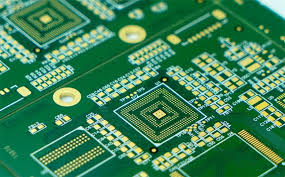
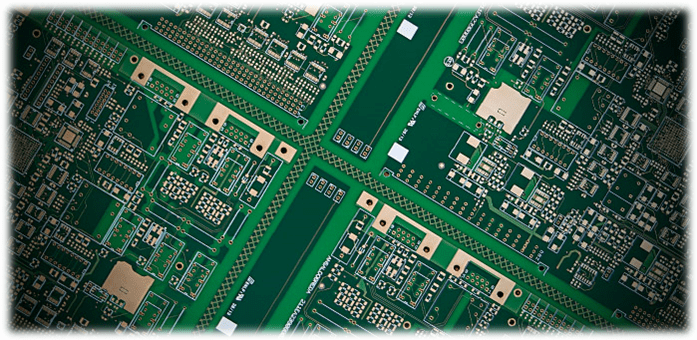
Modern electronics frequently require multilayer PCBs to accommodate complex electrical connections within compact spaces. Eight-layer boards, for example, provide additional routing possibilities for advanced circuit configurations.
PCB-Togo offers an eight-layer PCB prototype with immersion gold surface finishing featuring FR4 material, 1.6 mm thickness, and RoHS compliance. Its product listing specifies an eight-working-day lead time for this particular offering.
5. Reduced Manufacturing Costs
Identifying design problems during prototyping can prevent expensive corrections during mass production. Engineers can adjust layouts, test different configurations, and improve board specifications before committing to larger manufacturing quantities.
6. Better Product Innovation
Developing innovative electronics often requires multiple design revisions. Quick turn prototypes make experimentation easier by allowing engineers to evaluate improvements and refine circuit designs more efficiently.
Which Industries Benefit From Quick Turn PCB Prototypes?
Several industries depend on rapid PCB prototyping to improve product development. Consumer electronics manufacturers use prototypes to test smart devices and appliances. Automotive companies evaluate electronic control systems, while telecommunications businesses test complex circuit configurations.
Medical equipment manufacturers and industrial automation companies also benefit from prototype testing because circuit reliability and design accuracy are important for their applications.
How to Choose the Right PCB Prototyping Manufacturer
Selecting a reliable PCB manufacturer requires more than comparing production timelines. Businesses should evaluate technical capabilities, supported PCB layer counts, material options, surface finishes, and quality control procedures.
It is also important to consider communication, pricing, and delivery schedules. An experienced manufacturing partner should understand project requirements and provide suitable solutions for prototype development and future production.
How PCB-Togo Supports PCB Prototyping
PCB-Togo Electronic, Inc. provides PCB manufacturing solutions for prototype development and production requirements. Its capabilities include single-sided boards through 24-layer PCBs, along with multilayer, rigid-flex, and aluminum-based circuit boards.
These capabilities help businesses explore different manufacturing options for their electronic projects. Working with an experienced PCB manufacturer can make it easier to evaluate technical requirements and prepare designs for production.
Frequently Asked Questions
1. What are quick turn PCB prototypes?
They are printed circuit board samples manufactured quickly to test and validate electronic designs before mass production.
2. Why are PCB prototypes important?
They help identify design errors, improve circuit performance, reduce development delays, and minimize manufacturing risks.
3. How long does quick turn PCB manufacturing take?
Turnaround time depends on board complexity and specifications. PCB-Togo lists an eight-working-day lead time for its featured eight-layer immersion gold prototype.
4. What is an eight-layer PCB?
It is a multilayer circuit board containing eight conductive layers, allowing more complex electrical routing within a compact design.
5. Can PCB prototypes reduce manufacturing costs?
Yes. Early testing helps identify problems before mass production, reducing expensive redesigns and material waste.
Conclusion
Quick turn PCB prototypes are essential for modern electronics because they accelerate development, support design validation, and reduce manufacturing risks. They give engineers the flexibility to test ideas and improve circuit designs before production.
PCB-Togo Electronic, Inc. offers manufacturing capabilities to support different PCB prototyping requirements and electronic development projects.
Planning a new electronic product? Contact PCB-Togo’s experienced PCB manufacturing team for customized prototyping solutions and discuss your project requirements.