

RFID or Radio Frequency Identification technology has been used in the vast manufacturing industry for appropriate logistics and inventory management. It is considered unquestionably powerful in terms of efficiency, reliability, and accuracy. The following write-up specifies three aspects the consumers need to know before investing in RFID. Please check them out now.
Define RFID
RFID could be defined as an automated information collection technology that uses radiofrequency waves for transferring information between the reader and any movable item to detect, categorize, and track. When compared to the conventional barcode labels, RFID retail inventory management has acquired much more popularity because it does not rely on direct contact or physical sight.
Types of RFID
RFID could be divided into two types: Active RFID and Passive RFID.
The former uses tags that need a power source for functioning. The tags are connected to a powerful infrastructure or a battery. If the power source is depleted, the active RFID will, unfortunately, operate no longer. Having an embedded battery can make an item bulky, so the use of active RFID has deemed impractical by many companies.
The latter does not need any sort of power source. The tags are known for absorbing the energy generated from the radio frequency of the reader and get the power to function efficiently. The passive RFID does not have batteries embedded. It is small and can accommodate into a small adhesive label. Now isn’t it great?
Components of RFID
The RFID warehouse management system is made of four components, which must operate synchronously; otherwise, one may not achieve reliable data reception and transmission.
- Tag
A tag could be defined as a transponder fixed on a substrate that is replete with information. A tag is activated only when it passes through the radio frequency produced by the antenna.
- Scanner or Reader
A reader, also called the interrogator, transceiver, or scanner handles the radio communications occurring through the antenna. A reader transmits the signals to the tag, then synchronizes the tag with the reader, and then gets all the contents of the tag. So, the main aim of this component is to collect the data.
- Antenna
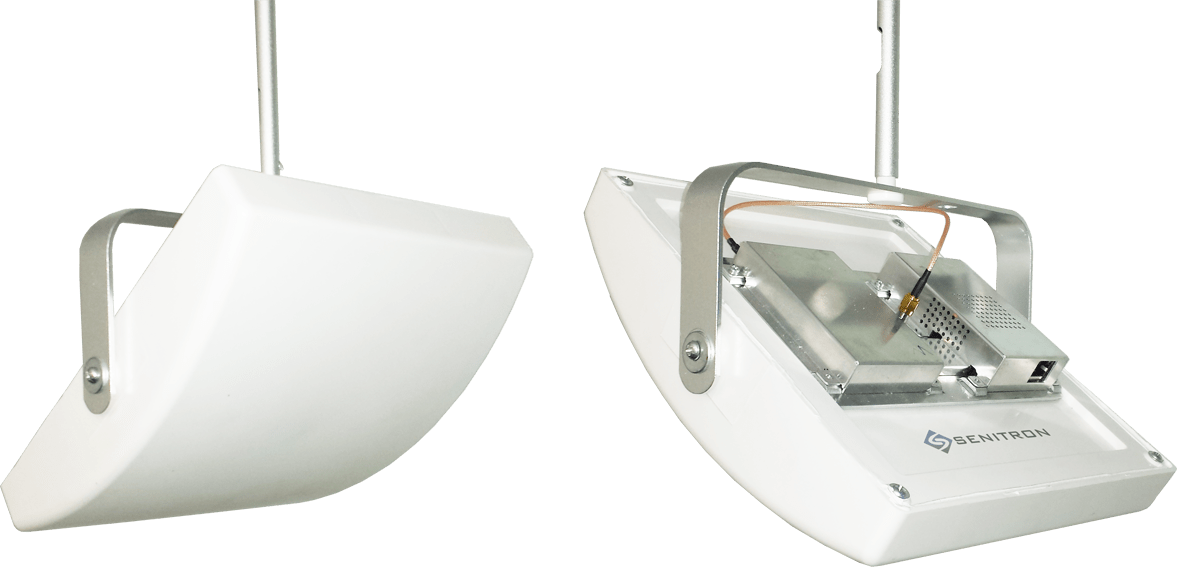
An antenna comprises a coil that has a matching network. It radiates the electromagnetic waves generated by a reader, and in a similar way, gains the radio signals released by the transponder.
- Interface Layer
The interface layer acts as a conduit between a reader and the hardware element, such as the computer.
When finally choosing RFID, please pay special attention towards the frequency range and polarization. Also, know how the technology works, and one does not have to spend money on seeking professional assistance.
Now that the consumers know more or less everything about RFID, they may install it in their warehouse, distribution center, or retail facility without further hesitation. For making a purchase, go to any bank, and submit the necessary form. Recently, the government has launched a new mobile application through which one may buy RFID tags and cards.


