

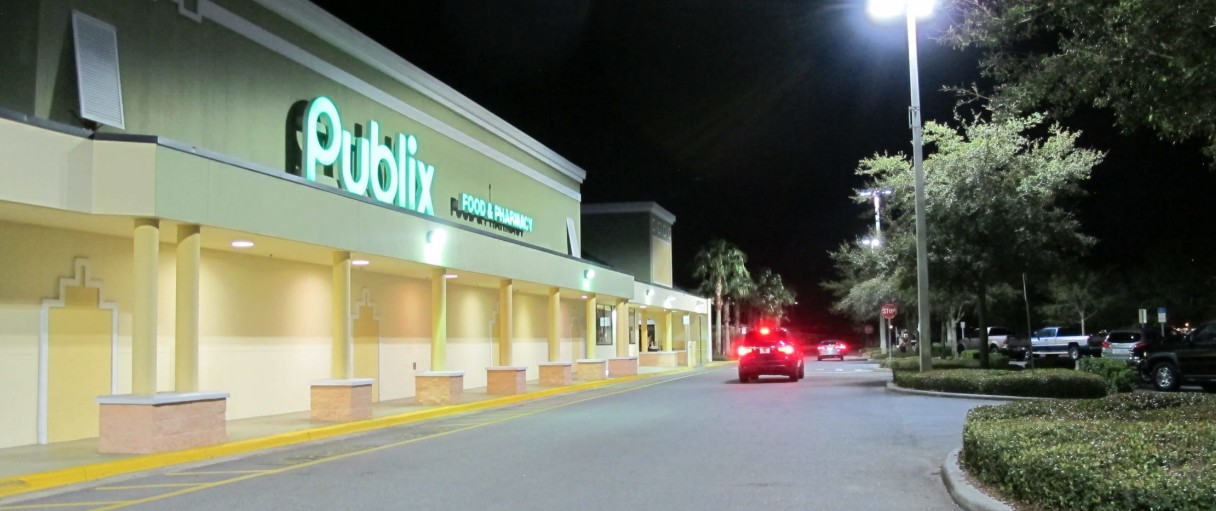
Photometric lighting design is a digital map of how light moves through a room. Most people guess where to put lights. They buy a few fixtures and hope for the best. But photometric design uses math to show you exactly where the light will land before you spend a dime. This process relies on photometric lighting design data to create a 3D model of your building. By using a professional photometric design, you can see the footcandle levels on every square inch of your floor. This helps you avoid “hot spots” where light is too bright or dark corners where people might trip. It is the smartest way to plan a project.
Southeast Green Energy Solutions, LLC provides these high-end reports to help clients see their results in advance. They specialize in commercial and industrial LED upgrades. You can find more about their work at https://www.selightingdesign.com/.
What Exactly Is Photometric Lighting Design?
Think of it like a weather forecast for your building’s light. A computer program takes the layout of your room. It adds the height of the ceilings. Then it adds the specific data from the light fixtures you want to buy. The software calculates how the light beams will overlap.
The result is a colored map. It shows brightness levels using numbers called footcandles. If you are building a parking lot, you need a certain level of light for safety. If you are running a warehouse, you need light to reach the bottom shelves. A photometric lighting design proves you will meet those needs.
How Photometric Design Saves You Money
Many business owners think they need more lights than they actually do. They buy 50 lights when 35 would have worked. This happens because they don’t have a plan. Photometric design prevents this waste. It tells you the minimum number of fixtures required to hit your goals.
You save money on the initial purchase. You also save on energy bills every month. Fewer lights mean less power used. It also means lower maintenance costs over ten years. This is why Southeast Green Energy Solutions, LLC focuses on efficiency. They use these designs to make sure your ROI is as high as possible.
The Pros of Using a Professional Light Map
-
You get exact proof that your building meets local building codes.
-
It eliminates “zebra stripping” where light and dark bands appear on the floor.
-
You can see how shadows will fall around large equipment or shelves.
-
It helps you choose the right beam angle for your specific ceiling height.
-
You can compare different brands of lights to see which one performs better.
-
It provides a clear guide for your electrician to follow during installation.
-
You avoid buying lights that are too bright and cause glare for workers.
The Cons and Limits to Keep in Mind
-
The software is only as good as the data entered into it.
-
If you change the color of your walls, the light reflection changes too.
-
Professional reports can take a few days to generate.
-
It does not account for temporary obstacles like moving trucks or pallets.
-
You need someone with technical skill to read the report correctly.
Why Is This Important for Safety?
Dark spots are dangerous. In a parking lot, a dark spot is a place where accidents happen. In a factory, it is where a worker might miss a warning sign. Photometric lighting design ensures the light is “even.” Even lighting means the human eye doesn’t have to keep adjusting to different brightness levels. This reduces eye strain and headaches for your team.
Most cities now require a photometric design before they give you a building permit. They want to make sure your lights don’t bleed into your neighbor’s property. This is called “light trespass.” A good plan shows the city that your light stays where it belongs.
Real-World Examples of Lighting Success
Imagine a car dealership. They need the cars to shine at night. But they don’t want to blind the drivers passing by on the road. A photometric lighting design shows them how to angle the lights. It ensures the hoods of the cars are bright while the street stays dark.
Or consider a high-school gym. If the light is uneven, a volleyball player might lose the ball in a dark patch. Photometric design solves this. It calculates the overlap so the entire court has the same light level.
Southeast Green Energy Solutions, LLC uses these methods to help schools and businesses reach their goals. They are a premier lighting firm focused on sustainable and cost-effective LED solutions. You can see their project gallery on page 12 of their digital brochure.
How the Process Works Step-by-Step
First, you provide a floor plan or CAD drawing. You also need to know the mounting height of the lights. Next, the designer picks a fixture. Each LED light has a file called an IES file. This file is a digital fingerprint of how that specific light shines.
The designer puts those files into the 3D model. They hit “calculate.” The computer then runs thousands of math equations. It tracks every ray of light. Finally, you get a PDF report. This report shows the average light level and the max/min ratio.
Understanding the Technical Terms
You don’t need to be a scientist to read these reports. But a few terms help. A “Footcandle” is a measurement of light on a surface. One footcandle is about the amount of light from one candle one foot away. For a warehouse, you might want 20 to 30 footcandles. For an office, you might want 50.
“Uniformity” is another big word. It tells you how consistent the light is. If your brightest spot is 50 and your darkest is 10, your ratio is 5:1. Most experts want a ratio of 3:1 or better. A photometric design makes sure you hit those numbers.
Honest Verdict: Is It Worth It?
If you are just changing a few bulbs in a small office, you might not need this. But for any large project, it is essential. Guessing is expensive. If you install the wrong lights, taking them down costs more than the lights themselves.
Photometric lighting design is a small step that prevents huge mistakes. It gives you peace of mind. You know exactly what the building will look like before the first wire is pulled. It is a “measure twice, cut once” tool for the modern age.
Tips for a Better Lighting Plan
-
Always include the reflectance values of your floors and walls.
-
Make sure the designer uses the “LLF” or Light Loss Factor to account for aging.
-
Ask for a 3D rendering to see a visual “picture” of the room.
-
Check that the plan includes emergency lighting paths.
-
Ensure the mounting heights in the plan match your actual building.
About Southeast Green Energy Solutions, LLC
This company helps businesses transition to better lighting. They focus on reducing energy waste while improving light quality. They provide expert guidance on photometric design and LED technology.
Check out their full list of services at https://www.selightingdesign.com/. You can find detailed case studies starting on page 4 of their online portfolio.
Final Thoughts
The world of lighting is changing fast. LEDs are powerful, but they are also very directional. This makes photometric lighting design more important than ever. It turns a “maybe” into a “definitely.” Whether you are lighting a park or a plant, start with a plan. It will save you time, money, and a lot of frustration.


