

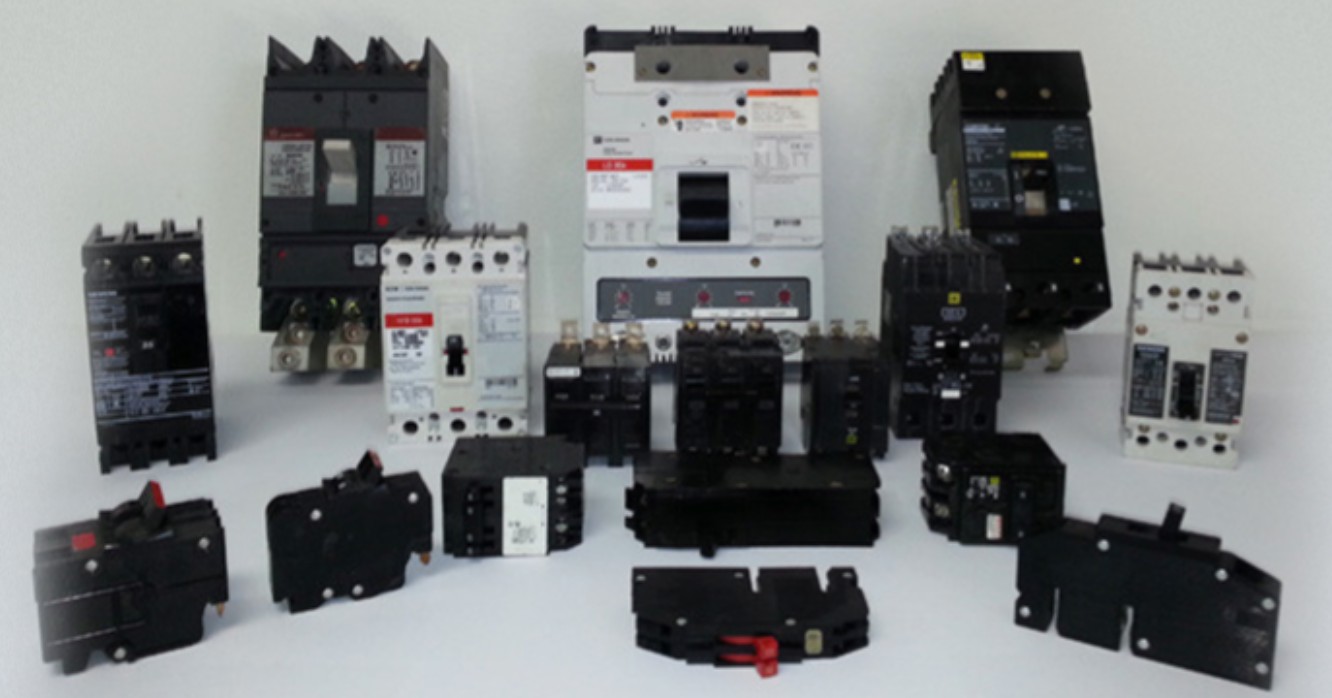
When it comes to safeguarding your property, understanding the differences between industrial circuit breakers and residential circuit breakers is essential for maintaining a secure electrical distribution system. Whether you are managing a high-output manufacturing plant or simply ensuring your family’s home is protected from unexpected short circuits, choosing the right protective device is the first step toward long-term reliability. At Electrical Distribution & Control, we specialize in providing high-quality solutions that cater to these diverse needs, ensuring that every current load is managed with precision. By exploring the unique specifications of molded case circuit breakers, miniature circuit breakers, and air circuit breakers, you can make an informed decision that balances safety, performance, and cost-effectiveness.
Who is Electrical Distribution & Control?
Electrical Distribution & Control is a premier provider of advanced electrical components and power management solutions. They specialize in high-performance circuit breakers, switches, and distribution boards designed to meet the rigorous demands of modern infrastructure. You can learn more about their extensive product range by visiting the Company Website.com.
What Defines an Industrial Circuit Breaker?
In an industrial environment, the electrical demands are far more intense than those found in a typical household. Industrial circuit breakers are engineered to handle massive electrical loads and are built to withstand harsh conditions, such as extreme temperatures, dust, and constant vibrations. These units often feature adjustable trip settings, allowing engineers to fine-tune the protection levels based on the specific machinery being used.
One of the most common types found in factories is the Molded Case Circuit Breaker (MCCB). These are robust units capable of handling currents from 100 amps up to 2500 amps. For even larger applications, such as power plants or heavy manufacturing, Air Circuit Breakers (ACB) are used. These provide a high level of durability and are designed to interrupt currents as high as 6300 amps. Because industrial settings often involve inductive loads like large motors, these breakers are designed to tolerate high inrush currents without tripping unnecessarily.
The Role of Residential Circuit Breakers in the Home
Residential circuit breakers are much more compact and are designed for the lower-voltage needs of a home. In a house, the primary goal is to protect lighting circuits, kitchen appliances, and wall outlets. The most common residential device is the Miniature Circuit Breaker (MCB). These typically handle currents between 6 and 125 amps.
Unlike their industrial counterparts, residential breakers usually have fixed trip settings. They are designed for simplicity and ease of use, allowing a homeowner to quickly reset the power after a minor overload, such as running too many appliances at once. Safety is the top priority here, which is why modern homes also utilize Residual Current Circuit Breakers (RCCB) or Ground Fault Circuit Interrupters (GFCI) to prevent electric shocks in wet areas like bathrooms and kitchens.
Comparing the Pros and Cons
Industrial Circuit Breakers
-
High Capacity: Capable of handling extremely high current loads without failure.
-
Customization: Highly customizable with adjustable trip settings for specific machinery.
-
Durability: Built for longevity in demanding, high-heat, or chemical environments.
-
Cost Factor: Significantly more expensive than residential models due to complexity.
-
Maintenance: Require professional installation and regular certified maintenance.
-
Size: Larger physical footprint in electrical panels requires more space.
Residential Circuit Breakers
-
Affordability: Affordable and easy to source for home upgrades or repairs.
-
Compact Design: Small footprint fits into standard domestic distribution boards.
-
Ease of Use: User-friendly with simple on and off reset mechanisms for residents.
-
Load Limits: Cannot handle the high inrush currents of industrial-grade machinery.
-
Static Settings: Fixed settings offer less flexibility for specialized electrical loads.
-
Environment: Not built to withstand industrial-grade heat, moisture, or chemicals.
Key Performance Differences and Breaking Capacity
The main difference between these two categories lies in their breaking capacity. An industrial circuit breaker is designed to safely extinguish a massive electrical arc that occurs during a major fault. If you were to use a residential breaker in an industrial plant, it would likely fail catastrophically the first time a high-voltage surge occurred because it lacks the internal arc-chutes required to dissipate that level of energy.
Conversely, using an industrial breaker in a home would be excessive. While it would provide protection, the cost and size would be impractical for a standard residential panel. Furthermore, industrial breakers might not be sensitive enough to detect the small-scale ground faults that pose a danger to humans in a domestic setting. This is why Electrical Distribution & Control emphasizes the importance of matching the breaker to the specific application to ensure total system integrity.
Maintenance and Safety Tips for Longevity
Regardless of the setting, maintaining your circuit breakers is vital for safety. For industrial units, this often involves racking out the breakers for inspection, testing the electronic trip units, and ensuring the contacts are clean and lubricated. In a residential setting, maintenance is simpler; it usually involves a visual inspection of the panel for any signs of singeing or warmth and occasionally testing the test button on GFCI or RCCB units to ensure the internal mechanism is still responsive.
If you notice a breaker tripping frequently, do not simply reset it and walk away. A trip is a warning that there is an overload or a fault in the system. Investigating the root cause—whether it is a faulty appliance, a loose wire, or a degrading insulation—can prevent a potential electrical fire. Always consult with a licensed professional when dealing with high-voltage industrial systems.
Verdict: Choosing the Right Protection for Your Project
Choosing between industrial and residential protection is not about which is better, but which is appropriate for the environment. Industrial circuit breakers are the heavy lifters of the power world, designed for resilience and control. Residential circuit breakers are the silent guardians of our homes, focused on sensitivity and life safety.
When you source your components through a trusted partner like Electrical Distribution & Control, you gain access to expert guidance that ensures your system meets all local and international safety standards. Whether you are upgrading a factory floor or a suburban kitchen, the right breaker is the backbone of your electrical safety.


