The quality and durability of railway infrastructure are critical factors in ensuring safe and efficient train operations. Every element of a railway track, from rails to sleepers, contributes to the overall performance and longevity of the system. Using substandard materials can lead to frequent maintenance, delays, and even safety hazards, which makes the selection of reliable components a top priority for railway operators.
High-quality materials not only improve safety but also enhance operational efficiency. Tracks endure significant stress from train traffic, extreme weather conditions, and long-term wear. Choosing components that can withstand these challenges ensures minimal disruption and maintains the integrity of the railway network over time.
Railway operators also face growing regulatory requirements and environmental considerations. Complying with these standards requires durable and dependable materials that meet strict safety, performance, and environmental criteria. Investing in quality components is therefore both a technical and strategic decision for long-term success.
Enhancing track stability with quality sleepers
One of the most critical components of a railway track is the support element for rails. These supports ensure proper spacing, distribute weight evenly, and absorb vibrations caused by passing trains. Without proper support, tracks can warp, rails can misalign, and maintenance demands can increase significantly.
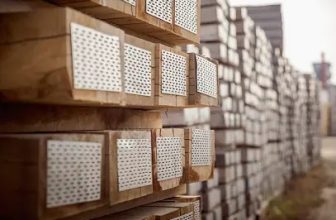
Using railway sleepers is an effective way to maintain track stability and reliability. Sleepers hold rails securely in place, ensuring consistent gauge and alignment while mitigating the effects of vibrations and dynamic loads. High-quality sleepers contribute to smooth train operation and reduce stress on other track components.
Sleepers come in a variety of materials, including treated timber, reinforced concrete, and composite alternatives. Each type has distinct advantages: timber sleepers provide flexibility and shock absorption, concrete sleepers are highly durable and resistant to environmental conditions, and composite sleepers offer a balance of strength and reduced weight. Key benefits of using quality sleepers include:
- maintaining consistent track gauge and alignment;
- absorbing vibrations and dynamic loads from passing trains;
- reducing stress on rails and other track components;
- enhancing overall safety and reliability of train operations;
Long-term advantages of investing in premium components
Investing in high-quality sleepers delivers significant operational benefits over time. Durable sleepers reduce track deformation, minimize maintenance needs, and improve train stability, ultimately enhancing safety for passengers and freight. By reducing emergency repairs and unplanned downtime, operators can also optimize resource allocation and control costs more effectively.
Environmental resilience is another benefit of using quality sleepers. Materials that withstand moisture, temperature fluctuations, and heavy loads ensure track stability throughout the seasons. Reliable sleepers prevent warping, cracking, and deterioration, creating a longer-lasting infrastructure and reducing the environmental footprint associated with frequent replacements.
| Advantage | Impact on operations |
| Reduced track deformation | Maintains stable and aligned tracks |
| Lower maintenance requirements | Decreases downtime and repair costs |
| Improved train stability | Enhances safety for passengers and freight |
High-quality sleepers also improve the effectiveness of ballast. By evenly distributing train loads, sleepers minimize uneven pressure on the ballast layer, preventing settling and degradation. This improves track geometry and reduces maintenance interventions, contributing to a safer and more predictable railway network.
Sustainable and efficient railway operations
Modern railway networks are increasingly focused on sustainability and resource efficiency. Using railway sleepers that are durable and long-lasting reduces the need for frequent replacements and conserves materials over the long term. Sustainable materials also lower overall environmental impact, which is increasingly important for regulatory compliance and corporate responsibility.
Long-term savings are another advantage. Reliable sleepers reduce the frequency of maintenance and replacement, saving labor and material costs. Efficient infrastructure improves operational predictability, enhances safety, and increases the overall reliability of the railway network for passengers and freight operators alike. Key benefits of sustainable and efficient railway operations include:
- reducing material consumption through durable and long-lasting sleepers;
- lowering environmental impact and supporting regulatory compliance;
- decreasing frequency of maintenance and replacement, saving labor and costs;
- improving operational predictability and network reliability;
Well-chosen sleepers also improve the passenger experience by reducing vibrations and noise, ensuring a smoother and more comfortable journey. Operators who invest in high-quality, durable materials demonstrate a commitment to safety, reliability, and sustainability, which strengthens trust and credibility with stakeholders.
Building resilient and future-ready railway systems
Investing in high-quality materials and sleepers is not only a technical necessity but also a strategic choice for railway operators. By prioritizing durability, stability, and environmental resilience, operators can significantly reduce maintenance costs, minimize unplanned downtime, and ensure the safety of passengers and freight.
Moreover, sustainable and efficient railway operations help networks meet modern regulatory and environmental standards. High-quality sleepers contribute to longer-lasting infrastructure, optimized track geometry, and improved ballast performance, supporting predictable and smooth train operations over time.
Ultimately, a railway system built with premium, well-chosen components demonstrates a commitment to reliability, safety, and sustainability. Such investments strengthen stakeholder confidence, enhance the passenger experience, and lay the foundation for a resilient, future-ready transportation network.