An outdoor area can become much more than a place filled with plants. With the right planning, a garden can offer space for relaxing, spending time with family, enjoying meals or simply taking a break after a busy day. The materials used in the project have an important role because they influence both the appearance and the way the space can be used.
Natural materials are often preferred because they create a warmer atmosphere. Wood works especially well because it can be combined with plants, stone, gravel and other garden elements without looking out of place. It also fits different design styles, from simple and modern spaces to rustic gardens with a more traditional character.
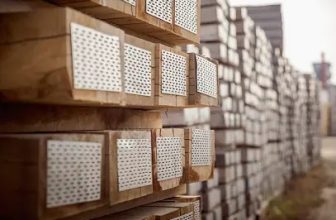
For projects that require strong and visually interesting elements, railway sleepers can be an excellent option. These massive wooden pieces were originally associated with railway construction, but they are now used in gardens for borders, steps, raised areas and other landscaping projects. Their solid appearance can give an outdoor space a distinctive character.
Planning the layout before starting the project
A successful outdoor project usually begins with a clear plan. Before buying materials, it is useful to decide how the available space will be divided and what each area will be used for. A garden designed for children, for example, will have different requirements from a terrace created mainly for outdoor dining or relaxation.
The position of every element also matters. Paths should be easy to follow, seating areas should remain comfortable, and wooden structures should be placed where water does not collect easily. Good planning can prevent unnecessary repairs later and makes the entire construction process easier to manage.
Several steps can make the preparation more efficient:
- Measure the available outdoor area before choosing materials.
- Decide which parts of the garden need structural elements.
- Mark the position of borders, steps and pathways.
- Check how rainwater moves across the property.
- Choose materials according to their intended use.
- Estimate the quantity required before starting construction.
Using wood to define different areas
Wood can help divide an outdoor space without making it feel closed or artificial. A simple border can separate grass from flower beds, while a raised structure can create a clear area for vegetables or herbs. These solutions are practical, but they also give the garden a more finished appearance.
Large wooden elements are particularly useful when the terrain is uneven. They can create different levels, support small slopes and make difficult areas easier to use. With careful placement, the same material can connect several parts of the garden and create a consistent visual style. Reclaimed timber can add a distinctive aged appearance, but its condition should be checked carefully before installation.
Some practical uses include:
- creating raised beds for vegetables and flowers
- separating lawn areas from planting zones
- building simple garden steps
- defining decorative paths
- creating low retaining structures
- forming edges around gravel or stone areas
Making outdoor structures last longer
Outdoor wood is exposed to rain, sunlight, temperature changes and moisture from the ground. Even strong materials need suitable installation if they are expected to last for many years. Good drainage is especially important because permanent contact with standing water can accelerate deterioration.
The way wooden elements are positioned can therefore be just as important as the material itself. A layer of gravel or sand beneath certain structures can improve drainage and ventilation. Regular inspections also make it easier to notice cracks, damaged areas or signs of moisture before they become larger problems. Wood does not always need complicated maintenance. Basic care, correct installation and suitable protection can significantly extend its useful life.
Simple maintenance habits can include:
- cleaning wooden surfaces regularly
- checking areas that remain close to the ground
- removing standing water after heavy rain
- applying suitable protective products when necessary
- replacing seriously damaged pieces
- keeping drainage channels clear
Combining natural materials for a balanced garden
Wood becomes even more attractive when it is combined with other materials. Gravel can create a clean transition around wooden borders, while stone can add strength and contrast to steps or retaining structures. Plants soften the solid lines of the construction and bring more colour into the overall design.
Different materials also allow each part of the garden to have a clear purpose. A wooden border can define a planting area, stone can be used for a pathway, and gravel can improve drainage around structural elements. This combination creates a space that feels organised without looking overly designed.
A well-designed outdoor area does not need to be complicated. The most successful projects often use a few carefully selected materials and give each one a clear purpose. Proper planning, correct installation, and regular maintenance ensure wooden elements stay attractive for years. This simple care helps transform any ordinary garden into a comfortable outdoor living space.