

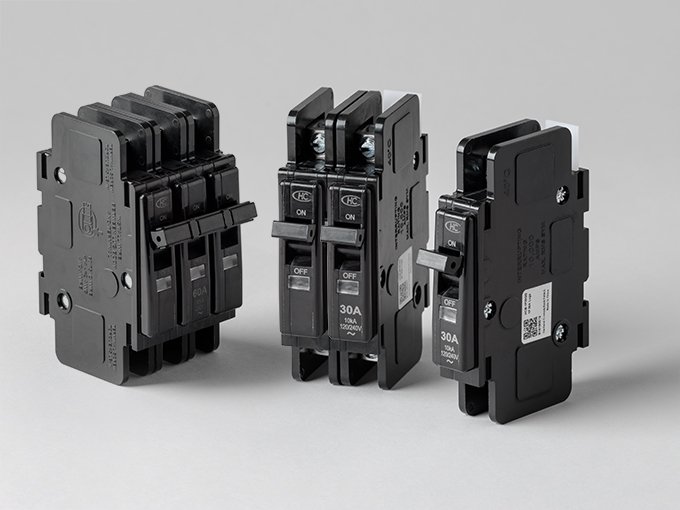
In any commercial or industrial setting, maintaining a reliable and efficient energy distribution system is crucial to keeping operations running smoothly. One of the essential components that ensure the safety and efficiency of these systems is the commercial circuit breaker. These devices protect electrical circuits from overloads, preventing damage to electrical equipment like industrial motor controls, commercial motor controls, and electrical power transformers. In this guide, we’ll explore the significance of commercial circuit breakers, how they work, and how they contribute to energy distribution in commercial and industrial environments. industrial circuit breakers
What is a Commercial Circuit Breaker?
A circuit breaker is a critical device in electrical systems that automatically shuts off the flow of electricity when it detects an overload or a short circuit. In commercial environments, these breakers are designed to protect heavy-duty equipment and ensure that energy is distributed safely and reliably. They can handle high currents and are built to endure the demands of modern commercial buildings, factories, and warehouses.
Types of Commercial Circuit Breakers:
• Air Circuit Breakers (ACBs) – These breakers use air to extinguish the arc that forms when the electrical circuit is interrupted.
• Molded Case Circuit Breakers (MCCBs) – Popular in commercial settings, MCCBs are designed for medium to high current protection.
• Miniature Circuit Breakers (MCBs) – Common in residential and light commercial applications, MCBs are used for low voltage, low current systems.
• Ground Fault Circuit Interrupters (GFCIs) – Primarily used in areas where electrical equipment might come into contact with water, offering extra protection from electric shocks.
Each of these circuit breakers plays a unique role in safeguarding electrical components, ensuring that operations continue without dangerous interruptions.
Why Are Commercial Circuit Breakers Important for Energy Distribution?
In commercial buildings or industrial plants, energy distribution is critical. Electricity is the backbone of daily operations, and any failure in distribution could cause downtime, loss of productivity, or even equipment damage. Circuit breakers are essential to this distribution as they help:
• Prevent Equipment Damage: Overloads or short circuits can damage vital components like electrical transformers or commercial motor controls. Circuit breakers automatically disconnect the power to prevent further harm to equipment.
• Ensure Safety: Safety is the number one priority. Circuit breakers protect against electrical fires caused by excessive current.
• Improve System Efficiency: By isolating faults quickly, commercial circuit breakers help maintain optimal energy distribution, minimizing downtime.
How Do Commercial Circuit Breakers Protect Electrical Power Transformers?
Electrical power transformers play a vital role in the distribution of electricity, converting high-voltage electricity to lower levels suitable for commercial use. However, these transformers are susceptible to damage due to overcurrent or faults in the system.
This is where circuit breakers come in. They are designed to:
• Interrupt Faults Quickly: When an electrical transformer faces a short circuit or overload, the breaker intervenes to cut off the faulty current. This ensures that the transformer isn’t exposed to excessive strain.
• Prevent Further Damage: Electrical transformers are costly and delicate. By disconnecting the faulty circuit before permanent damage occurs, circuit breakers extend the lifespan of transformers.
• Enable Safe Maintenance: Circuit breakers isolate faulty sections of the system, allowing technicians to safely work on electrical transformers without the risk of electrocution. residential circuit breakers
How Do Industrial and Commercial Motor Controls Benefit from Circuit Breakers?
In a commercial or industrial environment, motorized equipment drives processes that are essential to productivity. Whether it’s HVAC systems, conveyor belts, or assembly lines, industrial motor controls and commercial motor controls are designed to ensure that motors operate smoothly. But like all electrical systems, they can fail due to overcurrent conditions.
Circuit breakers provide crucial protection to motor controls by:
• Preventing Overload Damage: When the motor draws more current than it can handle (due to mechanical failure or operational issues), circuit breakers will trip, preventing motor burnout.
• Enhancing System Reliability: By automatically shutting down circuits during fault conditions, breakers reduce the risk of system-wide failures, ensuring that industrial motors can continue operating without interruptions.
• Ensuring Compliance with Safety Standards: Many industries are required to adhere to strict safety protocols. Using commercial circuit breakers helps companies meet these regulatory requirements and avoid penalties.
Key Factors to Consider When Choosing Commercial Circuit Breakers
Choosing the right commercial circuit breaker can significantly impact the reliability of your energy distribution system. Here are key factors to consider:
• Current Rating: Ensure the circuit breaker can handle the maximum current that your electrical equipment will draw.
• Voltage Rating: Make sure the breaker is compatible with your system’s voltage to avoid overvoltage or undervoltage issues.
• Response Time: The faster the circuit breaker responds to a fault, the better it can protect your system.
• Type of Load: Different breakers are better suited for specific types of loads—whether resistive (like heating systems) or inductive (like motors).
• Short-Circuit Protection: Ensure the circuit breaker provides adequate short-circuit protection to prevent electrical fires.
Maintenance and Monitoring of Circuit Breakers
To ensure your commercial circuit breakers operate effectively, regular maintenance and monitoring are essential. Here are some tips for maintaining your system:
• Inspect Breakers Regularly: Check for signs of wear or damage, and ensure that the breakers are not tripping unnecessarily.
• Test Breakers Periodically: Perform a test to verify that the breakers trip as expected when overloaded or short-circuited.
• Keep Equipment Clean: Dust and debris can cause breakers to malfunction. Keep the area around your electrical components clean.
• Ensure Proper Installation: Incorrect installation can reduce the efficiency of your circuit breakers. Always hire qualified professionals for installation and maintenance.
Conclusion
In conclusion, commercial circuit breakers are an indispensable part of any energy distribution system. They play a key role in protecting industrial motor controls, commercial motor controls, and electrical transformers by preventing overloads, ensuring safety, and improving the overall reliability of electrical systems. By selecting the right circuit breakers and maintaining them regularly, businesses can minimize downtime, avoid costly repairs, and ensure the longevity of their electrical infrastructure.
Whether you’re managing a small commercial space or a large industrial facility, investing in high-quality circuit breakers and understanding their role in energy distribution will safeguard your operations for years to come. The efficiency, safety, and performance of your electrical systems depend on these essential devices, making them a critical aspect of modern commercial energy management.


