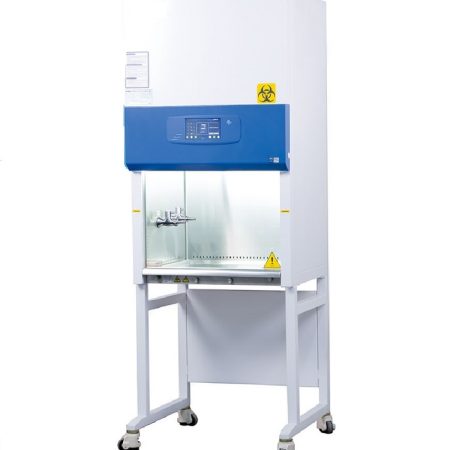
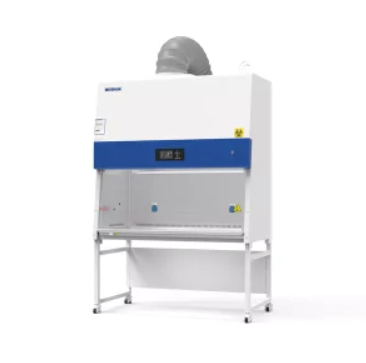
When you work with volatile chemicals, airborne hazards are not just a possibility—they’re a constant risk. Fumes, vapors, and particulates can quickly compromise your health, contaminate experiments, and create unsafe lab conditions. That’s where a chemical exhaust hood becomes essential. Understanding how it works helps you make smarter decisions about safety, compliance, and efficiency in your workspace.
Understanding Airborne Risks in the Lab
Every time you handle solvents, acids, or reactive compounds, you release airborne contaminants. These can include toxic vapors, corrosive gases, or fine particles that are invisible but harmful when inhaled. Without proper containment, these substances disperse into the lab environment, putting you and others at risk.
A chemical exhaust hood acts as your first line of defense by controlling and removing these contaminants before they spread.
How a Chemical Exhaust Hood Works
At its core, a chemical exhaust hood uses controlled airflow to capture and expel hazardous substances. When you perform procedures inside the hood, air is drawn inward from the lab, across the work surface, and out through an exhaust system.
This airflow creates a protective barrier between you and the chemicals. Instead of drifting into your breathing zone, harmful fumes are pulled away and safely vented outside or filtered.
By using a high-quality chemical exhaust hood for laboratory airborne hazard control, you ensure consistent airflow and reliable containment, even during complex procedures.
Key Mechanisms That Reduce Airborne Risks
Containment Through Airflow Design
The hood maintains a steady inward airflow known as face velocity. This prevents fumes from escaping into the lab. Properly designed airflow patterns minimize turbulence, ensuring contaminants move directly toward the exhaust system.
Continuous Ventilation
A chemical exhaust hood doesn’t just capture fumes—it removes them continuously. This constant ventilation prevents buildup, which is especially critical when working with highly volatile or toxic substances.
Filtration and Exhaust Systems
Depending on the setup, the hood may filter air through HEPA or carbon filters or vent it outside the building. This ensures that hazardous substances are either neutralized or safely dispersed away from occupied spaces.
Physical Barrier Protection
The sash (front glass panel) acts as a shield between you and the experiment. It reduces direct exposure and provides an additional layer of protection in case of splashes or reactions.
Controlled Work Environment
By isolating chemical processes within a confined space, the hood prevents cross-contamination. This is particularly important in labs where multiple experiments are conducted simultaneously.
Practical Benefits You’ll Notice
When you use a chemical exhaust hood correctly, the impact on safety and productivity is immediate:
- You reduce inhalation risks from toxic fumes
- You maintain cleaner air quality in the lab
- You protect sensitive experiments from contamination
- You comply with safety regulations and standards
- You create a more controlled and predictable workspace
Choosing a reliable solution like a high performance chemical exhaust hood for safe lab operations ensures these benefits remain consistent over time.
Best Practices for Maximum Protection
Even the most advanced hood won’t protect you if it’s used incorrectly. To get the most out of your equipment, follow these practical steps:
Keep the sash at the recommended height
Lowering the sash improves containment and increases safety.
Avoid overcrowding the workspace
Too many items inside the hood can disrupt airflow and reduce efficiency.
Work at least six inches inside the hood
This ensures fumes are captured before they escape.
Check airflow indicators regularly
Monitoring performance helps you catch issues early.
Minimize rapid movements
Sudden motions can create turbulence and allow contaminants to escape.
By combining proper usage with a durable chemical exhaust hood system for airborne contaminant removal, you significantly reduce the risk of exposure.
Why Quality Matters
Not all exhaust hoods are created equal. Poor design, inconsistent airflow, or low-quality materials can compromise safety. Investing in a trusted manufacturer ensures better performance, durability, and compliance.
When you explore solutions from CleaTech LLC laboratory chemical exhaust hood solutions, you gain access to systems engineered for precision, reliability, and long-term use.
If you’re planning to upgrade or install a new hood, it’s worth taking the time to evaluate your lab’s specific needs. Airflow capacity, chemical compatibility, and workspace size all play a role in selecting the right model.
When Should You Use a Chemical Exhaust Hood?
You should always use a chemical exhaust hood when working with:
- Volatile solvents
- Toxic or corrosive chemicals
- Reactions that produce fumes or gases
- Powdered substances that may become airborne
Even if the risk seems minimal, consistent use of a hood creates a safer routine and reduces cumulative exposure over time.
Take the Next Step Toward Safer Labs
Improving lab safety doesn’t require guesswork—it starts with the right equipment and proper practices. A well-designed chemical exhaust hood not only protects your health but also enhances the accuracy and reliability of your work.
If you’re ready to improve your lab’s safety standards, explore your options and contact us today for chemical exhaust hood installation and support to find a solution tailored to your needs.
FAQs About Chemical Exhaust Hoods
What is the main purpose of a chemical exhaust hood?
A chemical exhaust hood is designed to capture, contain, and remove hazardous airborne substances, preventing them from entering your breathing zone.
How does airflow affect hood performance?
Proper airflow ensures contaminants are pulled into the hood and exhausted safely. Poor airflow can allow fumes to escape into the lab.
Can a chemical exhaust hood filter all types of chemicals?
Not all hoods use the same filtration. Some vent air बाहर, while others use specialized filters. The type of chemicals you use determines the best system.
How often should a chemical exhaust hood be inspected?
You should inspect and test your hood regularly—typically every 6 to 12 months—to ensure optimal performance and safety compliance.
Is it safe to work outside the hood with small amounts of chemicals?
Even small quantities can release harmful vapors. It’s best to use the hood whenever there’s a risk of airborne exposure.
What happens if the sash is left open too high?
An open sash reduces containment efficiency, increasing the chance that hazardous fumes will escape into the lab.