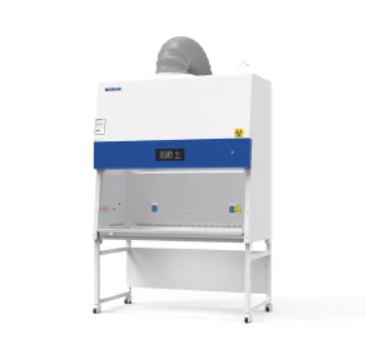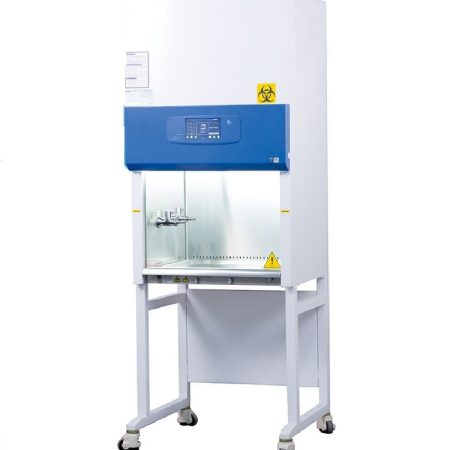
Field research often takes you beyond the controlled environment of a traditional laboratory. Whether you collect environmental samples, investigate infectious agents, or conduct research at remote monitoring sites, you need equipment that supports safe and reliable sample handling. A portable biosafety cabinet can help you establish a controlled workspace when laboratory infrastructure is limited, but portability alone does not guarantee protection.
To assess the right cabinet, you must evaluate biological risk, containment performance, environmental conditions, power requirements, transportability, and maintenance needs. A careful assessment helps you determine whether a particular model is suitable for your research activities before you take it into the field.
Match the Cabinet to Your Biological Safety Requirements
Start by identifying the materials you will handle and the hazards associated with your research. Consider whether your samples contain potentially infectious microorganisms, biological aerosols, or other substances that require specialized containment.
Your assessment should address three questions:
- What biological agents or materials will you handle?
- Who and what must the cabinet protect, including personnel, samples, and the surrounding environment?
- What containment level and work practices does your risk assessment require?
Do not assume that every portable enclosure provides the same protection. A clean bench or laminar flow workstation may protect a sample from contamination without protecting the operator from hazardous biological material.
For work involving potentially infectious agents, verify the cabinet’s documented classification, applicable performance standards, and suitability for the specific procedure. If your research requires personnel, product, and environmental protection, assess whether a certified Class II biological safety cabinet is appropriate.
Verify Containment Performance Before Deployment
A cabinet’s stated specifications should support your actual field research requirements. Request documentation covering airflow performance, filtration, containment testing, and applicable certification.
Pay particular attention to these factors:
Airflow design: Confirm how the cabinet controls airflow and maintains the intended protective barrier.
HEPA filtration: Check the filter configuration, documented efficiency, and replacement requirements.
Containment validation: Review evidence that the cabinet has been tested for its intended protective function.
Alarm systems: Determine whether airflow or other critical operating conditions trigger suitable warnings.
Certification: Establish whether the unit requires independent field certification before first use, after relocation, or following maintenance.
HEPA filters can capture airborne particles, but their presence alone does not establish that a cabinet provides adequate biological containment. Protection also depends on the complete airflow system, cabinet design, installation, operating practices, and maintenance.
When comparing portable biosafety cabinets for mobile research and biological sample handling, review the specific model’s documentation rather than relying on the product category or the word “portable.”
Evaluate Field Conditions and Power Requirements
Field environments introduce challenges that may not occur in a conventional laboratory. Temperature fluctuations, humidity, dust, wind, uneven surfaces, and limited electrical infrastructure can affect equipment performance and operational reliability.
Before selecting a unit, assess the following:
Power availability: Confirm voltage, frequency, current requirements, startup demand, and compatibility with the available power supply.
Backup power: Determine whether an approved backup system is necessary and whether it can support the cabinet’s required operating conditions.
Environmental limits: Compare the manufacturer’s permitted operating temperature and humidity with expected field conditions.
Installation surface: Confirm that the cabinet can be installed on a stable, level surface that meets its requirements.
Airflow disturbances: Evaluate nearby doors, fans, vents, outdoor wind, and personnel movement that could interfere with containment.
Do not assume a cabinet designed for easy transport can operate safely outdoors. Many biological safety cabinets require a controlled indoor environment and a carefully managed installation. If you plan to work at a temporary field station, confirm that the proposed location meets the manufacturer’s installation requirements.
Compare Portability, Ergonomics, and Practical Capacity
A cabinet that is difficult to transport, assemble, or use may disrupt research schedules and encourage unsafe workarounds. Assess the complete deployment process rather than focusing only on the cabinet’s dimensions.
Compare its weight, external measurements, doorways and vehicle access requirements, setup procedure, and any restrictions on moving the unit. Determine whether the cabinet requires specialized lifting equipment or trained personnel for relocation.
Next, evaluate the usable work area. It should accommodate your samples, essential instruments, and approved supplies without overcrowding the workspace or obstructing airflow grilles.
Consider lighting, visibility, access to controls, noise, and operator comfort during extended procedures. If researchers will wear protective clothing or gloves, confirm that they can work comfortably while maintaining the required technique.
Finally, estimate the total deployment burden, including transport cases, accessories, power equipment, cleaning supplies, and maintenance materials. A compact cabinet may still require substantial logistical support.
Assess Cleaning, Maintenance, and Service Support
Field research can make routine maintenance more complicated because technical support and replacement parts may be far away. Review the manufacturer’s cleaning instructions, approved disinfectants, filter servicing procedures, and maintenance schedule before purchasing.
Confirm whether the cabinet’s internal surfaces tolerate the disinfectants required by your research protocol. Ask how the unit should be decontaminated before transport, servicing, or relocation, particularly when biological hazards may be present.
You should also establish:
- How often certification and performance checks are required.
- Whether qualified service technicians can support your deployment location.
- How quickly replacement filters and critical parts can be obtained.
- What maintenance records your research quality system requires.
- What steps to take if an alarm sounds or containment performance becomes uncertain.
Never open a potentially contaminated cabinet or replace contaminated filters without the appropriate procedures, training, and protective measures.
Build a Practical Assessment Checklist
Use a documented comparison process to evaluate each candidate model against your research needs.
| Assessment area | What you should verify |
| Biological safety | Suitability for the agents and procedures involved |
| Containment | Documented performance, filtration, and certification |
| Field environment | Permitted temperature, humidity, and installation conditions |
| Power supply | Electrical compatibility and contingency arrangements |
| Portability | Weight, dimensions, transport, and setup requirements |
| Usability | Work area, visibility, controls, and ergonomics |
| Maintenance | Cleaning, service access, parts, and recertification |
| Total cost | Purchase, transport, installation, certification, and upkeep |
Treat essential safety requirements as pass-or-fail criteria rather than allowing a low price or convenient size to compensate for inadequate containment. If a model cannot demonstrate the protection required by your risk assessment, exclude it from consideration.
For additional equipment options and laboratory supply information, visit Global Lab Supply for laboratory and biosafety equipment. Before finalizing your selection, request model-specific documentation and confirm that the cabinet is suitable for your intended field conditions.
Frequently Asked Questions
1. What should you check first when assessing a portable biosafety cabinet?
Start with your biological risk assessment. Identify the materials, procedures, and exposure pathways involved, then determine the required containment and protection. Only compare models that can demonstrate suitability for those requirements.
2. Can you use a portable biosafety cabinet outdoors?
Not necessarily. Many models require controlled environmental conditions and protection from wind, dust, and airflow disturbances. Check the manufacturer’s operating limits and installation instructions before considering outdoor use.
3. Is a HEPA filter enough to ensure biological safety?
No. HEPA filtration is only one component of a containment system. Cabinet design, airflow, seals, installation, certification, maintenance, and operator practices also influence protective performance.
4. How do you determine whether a cabinet is easy to transport?
Evaluate its weight, dimensions, lifting requirements, transport restrictions, setup procedure, power needs, and service requirements. Include all accessories and support equipment when estimating the total transport burden.
5. Where can you get help evaluating biosafety equipment?
Review the manufacturer’s technical documentation and consult qualified biosafety professionals. You can also contact us today for assistance with laboratory and biosafety equipment selection and ask about the specifications available for the models you are considering.
Conclusion
Assessing a portable biosafety cabinet for field research requires more than comparing size, price, or advertised portability. You must verify biological containment, environmental compatibility, electrical requirements, practical usability, and long-term maintenance support.
By documenting your requirements and checking each candidate against essential safety criteria, you can make a more informed equipment decision. Most importantly, select a cabinet only when its verified performance and permitted operating conditions match your research procedures and deployment environment.