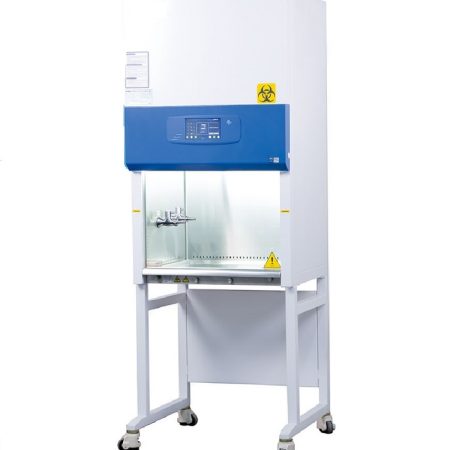
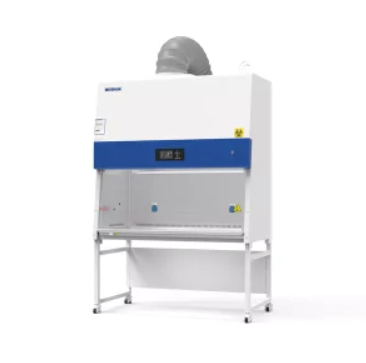
When you work outside a controlled laboratory environment, maintaining a clean and contamination-free workspace becomes more challenging. Dust, airborne particles, humidity, and unpredictable surroundings can compromise sensitive samples and equipment. That is why choosing the right portable laminar flow hood matters for field applications.
A portable laminar flow hood provides a compact clean air environment that protects your work during mobile testing, pharmaceutical sampling, medical research, electronics inspection, and environmental monitoring. However, not every model is designed for demanding field conditions. You need equipment that balances portability, airflow efficiency, durability, and contamination control.
This guide helps you understand how to select the best portable solution for your specific field operations.
Understand Your Field Application Requirements
Before selecting a unit, you should first identify where and how you plan to use it. Different industries require different levels of contamination control.
For example:
- Pharmaceutical professionals may need sterile airflow during sample preparation.
- Environmental testing teams may require portable clean benches for outdoor analysis.
- Electronics technicians often need particle-free workspaces for delicate components.
- Medical teams may use portable hoods during temporary laboratory setups.
Your application determines the airflow class, hood size, filtration system, and portability features you need.
If you regularly move between locations, a lightweight and compact system becomes essential. On the other hand, if you perform high-volume testing, you may need a larger workspace with advanced airflow performance.
Evaluate HEPA or ULPA Filtration Efficiency
The filtration system is one of the most important factors when choosing a portable laminar flow hood.
Most quality systems use HEPA filters that remove 99.97% of airborne particles as small as 0.3 microns. Some advanced systems use ULPA filters for even higher filtration performance.
When comparing models, check:
- Filter efficiency ratings
- Air cleanliness standards
- Filter replacement accessibility
- Filter lifespan
- Airflow consistency
Reliable filtration ensures your field workspace remains protected from contaminants even in harsh environments.
For critical contamination-sensitive tasks, consider using a portable clean air workstation with HEPA filtration system that maintains stable airflow throughout operation.
Choose the Right Airflow Configuration
Portable laminar flow hoods generally come in two main airflow designs:
Vertical Airflow
Vertical airflow systems direct filtered air downward from the top of the hood. These are commonly used for pharmaceutical work, microbiology applications, and general contamination control.
Benefits include:
- Reduced cross-contamination
- Better operator comfort
- Compact design for transport
Horizontal Airflow
Horizontal airflow systems push clean air directly toward the operator from the back wall of the unit.
These systems work well for:
- Electronics assembly
- Optical inspection
- Non-hazardous sample handling
Your workflow and sample sensitivity should determine which airflow direction works best for you.
You can explore high-quality Portable Laminar Flow Hood solutions for mobile cleanroom applications.
Prioritize Portability and Weight
Field operations require equipment that is easy to move, transport, and install quickly. Large stationary systems may not be practical for mobile use.
Look for features such as:
- Lightweight construction
- Compact dimensions
- Carrying handles
- Foldable or modular components
- Quick setup capability
Polypropylene and stainless steel designs are often preferred because they provide durability without excessive weight.
You should also verify whether the hood can fit inside vehicles, temporary labs, or mobile testing stations.
Check Power Compatibility
Field environments may not always provide stable power sources. Some locations may rely on generators or portable power systems.
Before purchasing, confirm:
- Voltage compatibility
- Power consumption levels
- Generator compatibility
- Battery backup options
- Energy efficiency
Low-energy systems help reduce operational costs and improve portability during remote testing activities.
Assess Noise Levels
Portable laminar flow hoods often operate in temporary workspaces where excessive noise can disrupt concentration and communication.
A quieter blower system improves user comfort during long working hours. Check manufacturer specifications for noise ratings before selecting a unit.
Low-noise systems are especially important in:
- Mobile healthcare facilities
- Pharmaceutical sampling sites
- Academic field research
- Electronics inspection labs
Consider Material Durability
Field conditions can expose equipment to vibration, temperature changes, dust, and physical handling. Your hood should withstand these environmental stresses.
Common construction materials include:
- Stainless steel
- Polypropylene
- Powder-coated steel
- Acrylic side panels
Stainless steel offers excellent durability and chemical resistance, while polypropylene provides lightweight corrosion resistance.
Choose materials that align with your field environment and cleaning requirements.
Verify Cleanroom Standards Compliance
You should always confirm whether the portable laminar flow hood meets recognized cleanliness standards.
Look for compliance with:
- ISO cleanroom classifications
- Federal Standard 209E
- GMP guidelines
- Industry-specific contamination standards
Compliance helps ensure reliable performance and supports regulatory requirements in pharmaceutical, medical, and industrial applications.
Inspect Maintenance Requirements
Field equipment should be easy to maintain without specialized tools or extensive downtime.
Before purchasing, ask about:
- Filter replacement procedures
- Cleaning accessibility
- Maintenance frequency
- Availability of replacement parts
- Technical support
Simple maintenance reduces operational interruptions and improves long-term reliability.
Compare Workspace Dimensions
A compact hood may improve portability, but insufficient workspace can limit productivity.
Choose a model that provides enough internal working area for:
- Instruments
- Sample containers
- Tools
- Operator movement
Balance portability with practical workspace needs to avoid workflow restrictions in the field.
Work With a Trusted Manufacturer
Reliable manufacturers provide better engineering quality, technical guidance, and long-term support.
When comparing suppliers, evaluate:
- Product certifications
- Customization options
- Industry experience
- Technical assistance
- Warranty coverage
Working with an experienced cleanroom equipment provider helps ensure you receive a system designed specifically for your operational requirements.
If you need assistance selecting the right portable clean bench for your application, Contact us today to discuss your field use requirements with industry experts.
Conclusion
Choosing the right portable laminar flow hood for field use requires more than selecting the smallest or least expensive option. You need a system that delivers dependable contamination control, portability, durability, and consistent airflow performance in changing environments.
By evaluating filtration efficiency, airflow configuration, portability, power requirements, material quality, and compliance standards, you can select equipment that supports safe and reliable field operations.
A properly selected portable laminar flow hood improves sample integrity, reduces contamination risks, and helps you maintain professional cleanroom standards wherever your work takes you.
Frequently Asked Questions
What is a portable laminar flow hood used for?
A portable laminar flow hood creates a clean airflow environment that protects sensitive samples and equipment from airborne contamination during field or mobile operations.
Are portable laminar flow hoods suitable for pharmaceutical applications?
Yes. Many pharmaceutical professionals use portable laminar flow hoods for sterile sample preparation, mobile testing, and temporary cleanroom environments.
What is the difference between vertical and horizontal airflow hoods?
Vertical airflow hoods direct clean air downward, while horizontal airflow hoods push clean air toward the operator. The best choice depends on your application and contamination control needs.
How often should HEPA filters be replaced?
HEPA filter replacement depends on usage conditions, environmental exposure, and manufacturer recommendations. Many filters last several years with proper maintenance.
Can portable laminar flow hoods be used outdoors?
Yes, some portable systems are designed for outdoor or remote field use. However, environmental conditions such as excessive wind, moisture, or unstable power should still be carefully managed.
Why is portability important in field applications?
Portable designs allow you to transport and deploy contamination-controlled workspaces quickly in remote, temporary, or mobile testing environments.