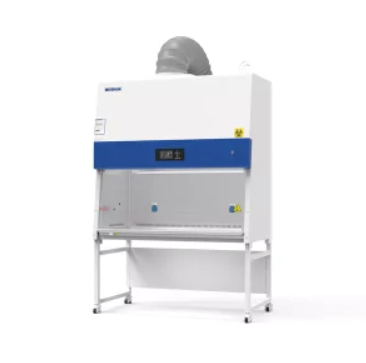
An isolation glove box is a critical piece of equipment for laboratories, pharmaceutical facilities, electronics manufacturing, and research environments that require controlled atmospheres. Whether you use it to handle moisture-sensitive materials, hazardous substances, or contamination-sensitive products, proper maintenance plays a major role in preserving performance and extending equipment life.
By following a structured maintenance routine, you can reduce downtime, improve safety, and maximize the return on your investment. Here are the most effective ways to keep your isolation glove box operating efficiently for years.
Inspect Gloves Regularly
The gloves are one of the most important components of your glove box system. Since they serve as the primary barrier between the operator and the controlled environment, even minor damage can compromise performance.
You should inspect gloves before and after each use. Look for:
- Cracks or tears
- Punctures
- Signs of chemical degradation
- Excessive stretching
- Discoloration
Replace damaged gloves immediately to prevent contamination and maintain system integrity. Establishing a routine inspection schedule can help identify issues before they become serious problems.
Keep the Interior Clean
Contamination buildup can affect both product quality and glove box performance. After every operation, clean the work area thoroughly using approved cleaning agents compatible with your materials and glove box surfaces.
Pay special attention to:
- Work surfaces
- Transfer chambers
- Windows and viewing panels
- Equipment inside the enclosure
Consistent cleaning helps prevent particle accumulation and reduces the risk of cross-contamination between projects.
Monitor Atmospheric Conditions
Maintaining the proper internal environment is essential for glove box longevity. Regularly monitor oxygen and moisture levels if your application requires a controlled atmosphere.
You should:
- Check sensor readings frequently
- Calibrate monitoring instruments according to manufacturer recommendations
- Investigate unexpected fluctuations immediately
Stable atmospheric conditions not only protect your materials but also reduce stress on the equipment’s filtration and gas purification systems.
Check Seals and Gaskets
Seals and gaskets are responsible for maintaining airtight conditions. Over time, they may wear out due to repeated use, cleaning chemicals, and environmental factors.
Inspect all seals periodically for:
- Cracking
- Hardening
- Deformation
- Leakage signs
Replacing worn gaskets promptly prevents atmosphere loss and helps maintain operational efficiency.
Maintain the Filtration System
A properly functioning filtration system is essential for contamination control. Depending on your application, filters may collect particles, hazardous substances, or airborne contaminants.
To maintain filtration efficiency:
- Follow manufacturer replacement schedules
- Inspect filters for clogging
- Monitor airflow performance
- Record maintenance activities
Neglecting filter maintenance can reduce airflow efficiency and place additional strain on system components.
Protect Viewing Windows
Clear visibility is necessary for precise work inside the glove box. Scratched or damaged viewing panels can reduce operator accuracy and safety.
To protect windows:
- Use non-abrasive cleaning materials
- Avoid harsh chemicals
- Remove debris gently
- Inspect for cracks or clouding
Maintaining clear viewing panels enhances productivity and prolongs the life of the enclosure.
Test for Leaks Periodically
Even small leaks can compromise the controlled environment and increase operating costs. Routine leak testing helps identify weaknesses before they affect performance.
Common leak-testing methods include:
- Pressure decay testing
- Vacuum testing
- Gas leak detection
Schedule leak checks as part of your preventive maintenance program to ensure reliable operation.
Maintain Transfer Chambers
Transfer chambers experience frequent use and can become a source of contamination or leakage if neglected.
Regular maintenance should include:
- Cleaning chamber surfaces
- Inspecting door seals
- Verifying proper pressure cycling
- Checking locking mechanisms
Properly functioning transfer chambers help preserve internal conditions during material movement.
Lubricate Moving Components
Some glove boxes contain hinges, latches, valves, and other moving parts that require periodic lubrication.
Use only manufacturer-approved lubricants and avoid over-application, which may attract dust or contaminants. Proper lubrication reduces wear and promotes smooth operation.
Train Operators Consistently
Even the best-maintained equipment can suffer from improper use. Ensure all operators understand:
- Correct glove insertion techniques
- Safe material transfer procedures
- Cleaning protocols
- Emergency procedures
Regular training minimizes accidental damage and extends equipment lifespan.
Maintain Detailed Service Records
Documentation helps you track maintenance history and identify recurring issues. Keep records of:
- Filter replacements
- Leak tests
- Sensor calibrations
- Repairs
- Cleaning schedules
Accurate records support preventive maintenance and simplify troubleshooting.
Invest in High-Quality Equipment
Long-term reliability begins with selecting a well-designed glove box system. Choosing a durable, professionally engineered solution can significantly reduce maintenance requirements and improve operational efficiency.
If you are looking for a reliable portable isolation glove box system for contamination-sensitive applications, explore the advanced solutions available through Isolation Glove Box systems for controlled atmosphere laboratory operations.
Working with experienced manufacturers also ensures access to expert guidance, replacement parts, and technical support. Learn more about CleaTech LLC‘s cleanroom and glove box engineering solutions designed for demanding laboratory and industrial environments.
Conclusion
Proper maintenance is the key to maximizing the lifespan of your isolation glove box. Regular inspections, cleaning, leak testing, filter maintenance, and operator training help preserve performance while reducing costly downtime. By implementing a proactive maintenance strategy, you can ensure reliable operation, maintain product quality, and protect your investment for years to come.
For expert assistance selecting or maintaining a glove box system, Contact us today for professional glove box support and consultation.
Frequently Asked Questions
How often should an isolation glove box be inspected?
A visual inspection should be performed before each use, while comprehensive maintenance checks should be conducted according to the manufacturer’s recommended schedule.
What is the most common cause of glove box contamination?
Damaged gloves, poor cleaning practices, leaking seals, and improper material transfer procedures are among the most common contamination sources.
How do I know if my glove box has a leak?
Signs may include unstable oxygen or moisture readings, pressure loss, increased gas consumption, or failed leak test results.
When should glove box gloves be replaced?
Gloves should be replaced immediately if you notice tears, punctures, excessive wear, chemical damage, or compromised flexibility.
Why is filter maintenance important in an isolation glove box?
Proper filter maintenance ensures effective contamination control, supports airflow performance, and helps protect sensitive materials and equipment.
Can regular maintenance extend glove box lifespan?
Yes. Preventive maintenance significantly reduces wear, prevents unexpected failures, and helps maintain optimal performance over the long term.