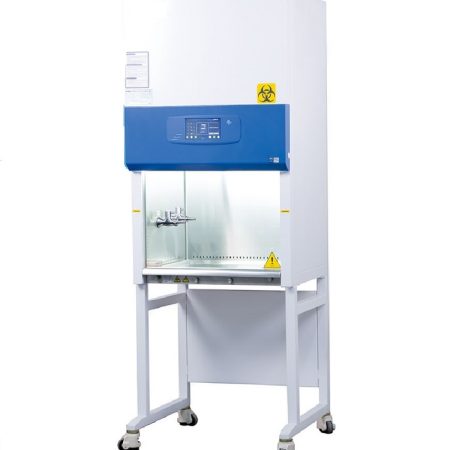
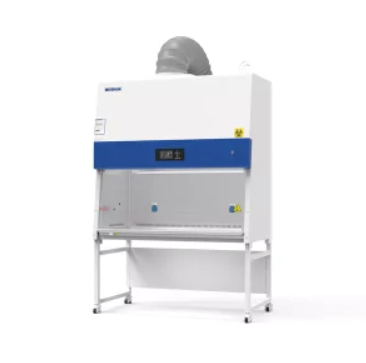
Choosing the right vertical laminar flow hood is one of the most important decisions you can make when setting up or upgrading a controlled laboratory environment. Whether you work in pharmaceutical research, biotechnology, electronics manufacturing, medical device assembly, or quality testing, the right equipment helps you maintain a clean workspace and protect sensitive materials from airborne contaminants.
However, not every vertical laminar flow hood offers the same level of performance or features. Your selection should match your application, workspace, cleanliness requirements, and operational goals. By understanding the key factors before purchasing, you can invest in a solution that supports productivity, reliability, and long-term value.
Why Does Choosing the Right Vertical Laminar Flow Hood Matter?
A vertical laminar flow hood creates a continuous stream of HEPA-filtered air that moves downward over the work surface. This controlled airflow minimizes airborne particles that could contaminate samples, components, or products.
Selecting the right model helps you:
- Improve product quality
- Maintain consistent sterile conditions
- Reduce contamination risks
- Increase workflow efficiency
- Support regulatory compliance
- Lower long-term maintenance costs
Choosing the wrong system, on the other hand, may result in inadequate workspace, poor airflow coverage, or unnecessary operating expenses.
Understand Your Laboratory Application First
Before comparing specifications, identify how you plan to use the hood.
Ask yourself:
- Will you perform sterile sample preparation?
- Do you assemble medical devices?
- Are you handling electronic components?
- Do you require particulate-free manufacturing?
- How many operators will use the hood?
Different laboratory applications require different workspace dimensions, airflow capacities, and optional accessories.
Defining your requirements first helps you narrow your choices more effectively.
Evaluate the Air Filtration System
The filtration system is the heart of every vertical laminar flow hood.
Look for:
- High-efficiency HEPA filtration
- Uniform downward airflow
- Reliable blower performance
- Low turbulence across the work area
- Long filter service life
Consistent airflow is essential because uneven air distribution can create contamination zones that affect sensitive laboratory procedures.
When evaluating manufacturers, review airflow specifications rather than focusing only on price.
Select the Appropriate Workspace Size
Your laboratory should have enough working space without purchasing an oversized unit.
Consider:
- Equipment dimensions
- Operator movement
- Sample handling requirements
- Future workflow expansion
A workspace that is too small restricts productivity, while an unnecessarily large hood increases operating costs and consumes valuable laboratory space.
Proper sizing improves both efficiency and operator comfort.
Consider Construction Quality
Durability directly impacts long-term performance.
Look for construction features such as:
- Corrosion-resistant materials
- Smooth interior surfaces
- Easy-to-clean design
- Rigid structural frame
- High-quality viewing panels
A well-built hood withstands continuous laboratory use while simplifying routine cleaning and maintenance.
Check Airflow Uniformity
Uniform airflow is just as important as filtration efficiency.
Poor airflow distribution may allow contaminants to circulate around samples instead of being continuously removed.
Ask manufacturers about:
- Average airflow velocity
- Airflow consistency
- Factory performance testing
- Filter integrity testing
Reliable airflow ensures consistent contamination control throughout the entire work area.
Prioritize Ergonomic Design
Researchers often spend hours working inside a laminar flow hood.
Choose features that improve operator comfort, including:
- Comfortable working height
- Bright LED lighting
- Low operating noise
- Easy-access controls
- Spacious work surface
Good ergonomics help reduce operator fatigue while improving productivity during repetitive laboratory tasks.
Review Energy Efficiency
Modern laboratories increasingly focus on reducing operational costs.
Energy-efficient systems provide benefits such as:
- Lower electricity consumption
- Reduced operating expenses
- Longer blower lifespan
- Sustainable laboratory operations
Although energy-efficient models may have a higher initial investment, they often reduce total ownership costs over time.
Think About Maintenance Requirements
Routine maintenance helps preserve airflow performance and cleanliness.
Before purchasing, evaluate:
- Filter replacement accessibility
- Availability of replacement parts
- Cleaning requirements
- Preventive maintenance schedules
- Technical service support
Selecting equipment that is easy to maintain minimizes downtime and keeps laboratory operations running efficiently.
Verify Customization Options
Every laboratory has unique operational needs.
Many facilities benefit from optional features such as:
- Adjustable shelving
- UV lighting
- Stainless steel work surfaces
- Electrical outlets
- Gas or vacuum ports
- Mobile configurations
Choosing customizable equipment allows your laboratory to adapt as projects evolve.
For laboratories seeking dependable contamination control, explore solutions for advanced sterile laboratory workflows with a Vertical Laminar Flow Hood designed for precision cleanroom applications.
Evaluate the Manufacturer’s Experience
Equipment quality depends heavily on manufacturer expertise.
A trusted manufacturer typically offers:
- Proven engineering
- Reliable quality control
- Technical assistance
- Product customization
- Responsive customer support
Working with an experienced supplier provides greater confidence throughout the equipment’s lifespan.
Learn more about innovative cleanroom equipment and contamination control solutions from CleaTech LLC, a trusted provider of laboratory and cleanroom systems.
Compare Long-Term Value Instead of Initial Cost
The least expensive option is not always the best investment.
Instead, evaluate:
- Product lifespan
- Service availability
- Maintenance costs
- Energy consumption
- Performance reliability
- Warranty coverage
Higher-quality equipment often delivers greater value through improved productivity and reduced maintenance.
Plan for Future Laboratory Growth
Laboratories frequently expand their capabilities.
Select equipment that can support:
- Increased production
- Additional operators
- New research projects
- Changing regulatory requirements
- Future workflow improvements
Planning ahead helps avoid costly equipment replacements later.
Final Thoughts
Selecting the right vertical laminar flow hood involves more than comparing specifications. You should carefully evaluate airflow quality, filtration efficiency, workspace size, construction materials, ergonomics, maintenance requirements, and manufacturer expertise before making a decision.
A well-chosen system supports cleaner operations, protects valuable materials, improves workflow efficiency, and delivers dependable performance for years to come. By investing in equipment that matches your laboratory’s current and future needs, you create a more productive and contamination-controlled working environment.
If you need expert guidance in choosing the ideal solution for your application, Contact us today to discuss your laboratory requirements with experienced cleanroom specialists.
Frequently Asked Questions
What is a vertical laminar flow hood used for?
A vertical laminar flow hood provides HEPA-filtered airflow to protect samples, components, and materials from airborne contamination during laboratory and cleanroom processes.
How do I choose the correct size vertical laminar flow hood?
Select a size based on your equipment, workspace requirements, number of operators, and expected future laboratory expansion.
Why is HEPA filtration important in a vertical laminar flow hood?
HEPA filters remove airborne particles efficiently, helping maintain a clean working environment for contamination-sensitive applications.
Can a vertical laminar flow hood improve laboratory productivity?
Yes. Proper airflow, ergonomic design, and adequate workspace allow operators to work more efficiently while reducing contamination risks.
What should I consider before buying a vertical laminar flow hood?
Consider airflow performance, filtration efficiency, construction quality, maintenance requirements, workspace size, energy efficiency, customization options, and manufacturer support.