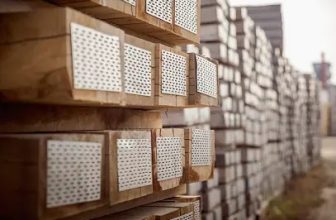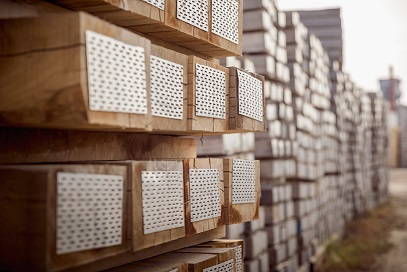
When it comes to constructing railway systems that require durability and strength, one material consistently stands out: oak. Its resilience, natural strength, and lasting qualities make it the ideal choice for wooden sleepers in railway tracks. Oak wood offers significant advantages over other materials when it comes to railway sleepers.
Why oak is perfect for wooden sleepers
Oak has long been a preferred material for various construction applications, particularly in the railway industry. Its solid and dense nature makes it ideal for handling the extreme stress and pressure that wooden sleepers are subjected to. Over time, oak wood proves to be highly resistant to wear and tear, making it a durable choice that can withstand heavy traffic on the tracks.
The ability of oak to maintain its integrity under constant pressure is unparalleled, which is why railway companies frequently opt for this material for their sleepers.
In addition to its durability, oak is known for its natural resistance to decay. Unlike other types of wood, oak can hold up well against environmental factors such as moisture, temperature fluctuations, and fungi. This makes oak an optimal choice for wooden sleepers that are exposed to outdoor conditions and varying weather patterns. Sleepers made from oak are less likely to degrade over time, providing a safer and more stable foundation for trains to operate on.
The role of sustainability in choosing oak
In today’s world, sustainability is an important consideration in the materials used for construction. Oak is a renewable resource when managed responsibly, making it an eco-friendly choice for wooden sleepers. Sustainable forestry practices ensure that oak trees are harvested in a manner that does not harm the environment, and the use of oak for wooden sleepers supports these efforts.
By opting for oak, railway companies can make a more environmentally conscious decision while still benefiting from the wood’s superior qualities.
While oak may initially be more expensive than other types of wood, its long lifespan and low maintenance requirements make it a cost-effective investment in the long run. The durability of oak sleepers means that they require less frequent replacement compared to softer woods, leading to significant savings over time. The low maintenance needs of oak also contribute to lower overall costs, as the wood remains stable and functional for many years without the need for constant repairs or replacements.
Factors that make oak the ideal choice for wooden sleepers
Oak has several characteristics that make it the best material for wooden sleepers. One of the key factors is its natural strength. The wood is extremely strong and capable of handling significant loads without breaking or warping. This makes oak an ideal material for supporting the weight of trains as they pass over the tracks. In addition, oak’s dense texture ensures that it can withstand constant exposure to the elements, from rain to extreme temperatures, without deteriorating.
Another important factor in oak’s favor is its resistance to pests and fungi. Many other types of wood are susceptible to infestation and rot when exposed to moisture. However, oak is naturally resistant to these issues, making it a more reliable and long-lasting material for wooden sleepers. This resistance to decay is particularly important when considering the longevity of the infrastructure and the safety of the railway system.
The impact of quality materials on railway track performance
The quality of the materials used for railway sleepers directly affects the performance and longevity of the railway tracks. By choosing oak for the construction of railway sleepers, companies are investing in the stability and safety of the entire rail system.
Oak sleepers provide the necessary support and durability for heavy trains, ensuring that the tracks remain stable and functional for years to come.
When considering materials for railway construction, it’s essential to prioritize those that offer long-term benefits. Oak is an excellent choice for this purpose, as it offers superior strength, resistance to decay, and a long lifespan. The combination of these qualities makes oak the best material for wooden sleepers in railway systems.
A premium material for infrastructure
Oak is not only a superior material for constructing wooden sleepers but also a cost-effective and environmentally responsible option. With its unmatched strength, durability, and resistance to decay, oak ensures the reliability and safety of railway tracks.