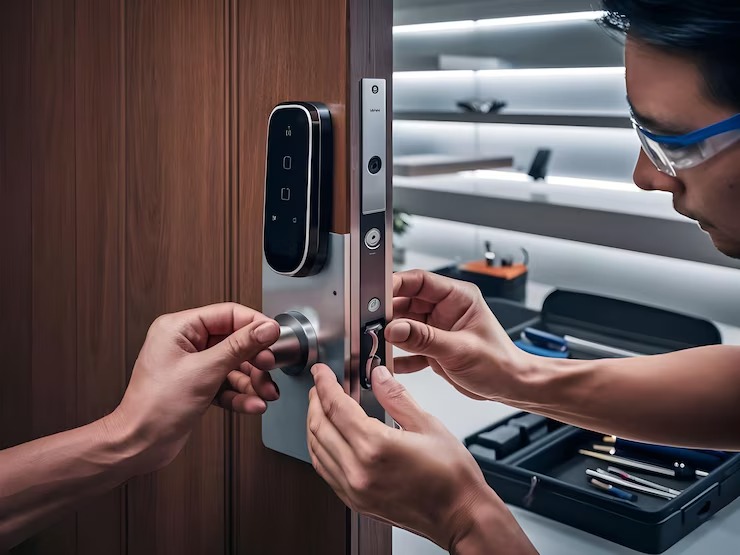
When a tenant moves out of your Denver rental property, collecting the keys may feel like the final step in the move-out process. However, you cannot be certain that every copy has been returned. A former tenant, roommate, visitor, or contractor may still have access to a duplicate key.
Rekeying your rental property’s locks helps you regain control over who can enter before a new tenant moves in. For landlords managing single-family homes, condos, or apartment buildings, this simple security measure can reduce access-related risks and support a smoother rental turnover.
APEX Locksmith Denver provides residential and commercial locksmith services, including rekeying existing locks. Understanding when and why to rekey helps you protect your investment while preparing your property for its next occupant.
1. Prevent Unauthorized Access After Move-Out
Your first priority after a tenant leaves should be controlling access to the property. Even if your former tenant returns every key you issued, you cannot automatically assume that no additional copies exist.
Tenants may have shared keys with family members, roommates, cleaners, or maintenance workers. Copies may also have been misplaced or forgotten during the tenancy. Without changing the lock’s key configuration, those old keys may continue to work.
Professional rekeying changes the internal mechanism of a compatible lock so the previous keys no longer operate it. You can keep the existing hardware while issuing a new set of keys to the next tenant.
For practical guidance, explore residential lock rekeying services in Denver to understand how rekeying can support rental property security.
2. Protect Your Next Tenant’s Privacy
Your new tenant deserves to feel secure from the day they receive the keys. Moving into a rental home should not mean wondering whether a previous occupant can still unlock the front door.
Rekeying between tenancies establishes a fresh starting point for access control. It also helps you demonstrate that you take tenant safety and privacy seriously.
This matters whether you rent out a basement apartment in Capitol Hill, a condo in Cherry Creek, or a single-family home in the Denver metro area. Every property has different access needs, but the objective remains the same: ensure only authorized people can enter.
Include rekeying in your standard turnover checklist rather than treating it as an optional task. Completing it before handing over the new keys makes the transition more organized and gives incoming tenants greater confidence in your property’s security.
3. Save Money by Keeping Suitable Locks
Replacing every lock after each tenant moves out can become expensive, especially if you manage several rental units. Fortunately, you may not need entirely new hardware to restore control over access.
Rekeying is often a cost-effective alternative when your existing locks are compatible, undamaged, and functioning properly. A locksmith adjusts the lock’s internal components to work with a new key instead of replacing the complete lock assembly.
However, rekeying is not always the right solution. If a lock is worn, damaged, unreliable, or unsuitable for your security requirements, replacement may be the better investment.
A qualified Denver locksmith for lock rekeying and lock changes can assess the existing hardware and explain your options before work begins. Ask for an itemized estimate covering the locks, number of cylinders, service call, and any additional hardware.
4. Remember Every Entry Point, Not Just the Front Door
Rekeying only the main entrance may leave other access points overlooked. During tenant turnover, review every lock and access device associated with the unit.
Your inspection checklist should include:
- Front and rear entry doors.
- Garage entry doors and compatible keyed locks.
- Side doors, patio doors, and other keyed exterior entrances.
- Mailbox locks, where you control the hardware.
- Storage rooms, sheds, gates, and private utility areas.
- Shared building entrances and access-controlled areas.
Not every lock can be rekeyed in the same way, and shared locks require special consideration. For example, changing a common entrance lock may affect other residents. Coordinate with your property manager, homeowners association, or building administrator before modifying shared access.
If your rental includes electronic locks, garage remotes, keypads, or access cards, review those credentials separately. Mechanical rekeying does not automatically deactivate electronic codes or remote access.
5. Build Rekeying Into Your Tenant Turnover Process
A consistent procedure helps you avoid rushed security decisions between move-out and move-in dates. Rather than waiting for a missing key or security complaint, make access management part of every vacancy.
Use this straightforward checklist:
- Collect all issued keys, remotes, and access cards.
- Record missing keys and any reported losses or thefts.
- Inspect locks, door hardware, and exterior entry points.
- Identify which locks should be rekeyed, replaced, or upgraded.
- Arrange the work before the next tenant receives access.
- Test each lock with the new keys and confirm smooth operation.
- Update your key register and document the completed work.
This process is particularly useful if you own multiple rental properties across Denver, Aurora, Lakewood, or nearby communities. Standardized records make it easier to track which units have been secured and which still require attention.
For more extensive properties, ask about commercial locksmith services and managed access solutions that may help simplify key control for shared entrances and common areas.
6. Know When to Call a Professional Locksmith
Some situations require more than routine turnover maintenance. If a tenant reports a stolen key, you discover damaged locks, or a former occupant may still have unauthorized access, arrange an assessment promptly.
A professional can determine whether your existing hardware can be rekeyed, whether replacement is advisable, and whether additional entry points need attention. The right solution depends on your lock type, property’s layout, and security priorities.
APEX Locksmith Denver offers residential and commercial locksmith services throughout Denver and surrounding communities. Before scheduling service, explain how many doors need attention, what types of locks are installed, and whether any keys or access devices are missing.
You can also review the company’s Denver locksmith services and rekeying options to identify relevant services and request a quote.
Make Rekeying a Standard for Your Denver Rental
Rekeying between tenants is a practical way to restore control over property access, protect incoming renters, and avoid replacing serviceable locks unnecessarily. It also creates a repeatable security process that supports better property management.
Although rekeying cannot address every security issue, it is an important step when you cannot verify who still possesses keys. Combine it with a thorough inspection, accurate access records, and appropriate maintenance.
Preparing a Denver rental for its next tenant? Contact APEX Locksmith Denver to discuss your locks, rekeying needs, and available options. Plan the work before move-in day so your next tenant receives keys with confidence.
Frequently Asked Questions
1. Should you rekey locks after every tenant moves out?
Rekeying after each tenancy is a sensible security practice when you cannot verify that all copies are accounted for. Assess the locks and your property’s access requirements before the next tenant moves in.
2. Is rekeying cheaper than replacing rental property locks?
Often, yes. Rekeying generally costs less when existing locks are compatible and in good condition. Damaged or outdated hardware may justify replacement instead.
3. What if a former tenant returns every key?
Returned keys do not prove that duplicates do not exist. Rekeying can help ensure previously issued keys no longer operate compatible locks.
4. Should you rekey mailbox and garage locks too?
Review both during turnover. Rekey or replace them when appropriate, and check electronic remotes and access codes separately. Shared access systems may require coordination with building management.
5. How can a Denver locksmith help with rental turnover?
A locksmith can inspect your locks, rekey compatible hardware, replace damaged components, and help you plan access control for individual units and shared entry points.