

First of all,
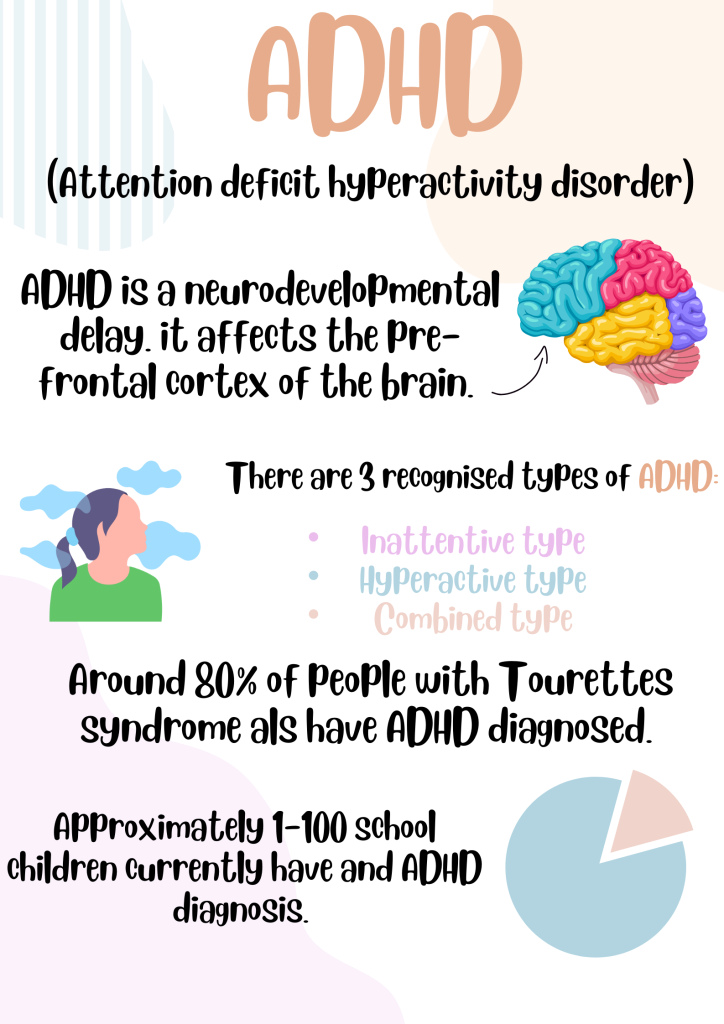
Attention Deficit Hyperactivity Disorder (ADHD) is a neurodevelopmental disorder characterized by persistent patterns of inattention, hyperactivity, and impulsivity that can significantly impact daily functioning. While ADHD is often associated with difficulties in academic and social settings, its effects on self-esteem are equally profound. Individuals with ADHD may struggle with feelings of inadequacy, low self-worth, and a sense of constant failure. However, understanding the relationship between ADHD and self-esteem is crucial for fostering confidence and resilience in both children and adults living with the condition.
Understanding ADHD and Its Impact on Self-Esteem:
ADHD affects individuals across the lifespan, with symptoms typically emerging in childhood and persisting into adulthood for many. In children, ADHD can manifest as difficulty paying attention, staying organized, following instructions, and controlling impulses. These challenges can lead to academic underachievement, social difficulties, and negative feedback from peers and authority figures. Consequently, children with ADHD may internalize these experiences, leading to feelings of frustration, shame, and low self-esteem.
Similarly, adults with ADHD may face ongoing struggles with time management, maintaining relationships, and meeting responsibilities at work and home. The cumulative impact of these challenges can erode self-confidence and contribute to feelings of incompetence and self-doubt. Moreover, societal misconceptions about ADHD as a mere behavioral problem or a lack of discipline can exacerbate feelings of stigma and undermine self-esteem.
Cultivating Confidence in Children with ADHD:
Supporting the self-esteem of children with ADHD requires a multifaceted approach that addresses their unique needs and challenges. Here are some strategies for cultivating confidence in children with ADHD:
Encouragement and Positive Reinforcement:
Recognize and celebrate the strengths and accomplishments of children with ADHD, no matter how small. Encouragement and positive reinforcement can boost their self-confidence and motivation to persist in the face of difficulties.
Clear and Achievable Goals:
Break tasks into manageable steps and set clear, achievable goals to help children with ADHD experience success and build confidence gradually. Providing structure and guidance can empower them to tackle challenges one step at a time.
Focus on Effort and Improvement:
Emphasize the value of effort and perseverance over perfection. Encourage children to focus on their progress and growth rather than comparing themselves to others. By acknowledging their efforts, you validate their hard work and determination.
Teach Coping Strategies:
Equip children with ADHD with practical coping strategies to manage their symptoms and navigate challenges effectively. This may include teaching them organizational skills, time management techniques, and relaxation exercises to reduce stress and improve self-regulation.
Foster Peer Support and Understanding:
Educate peers and classmates about ADHD to foster empathy and understanding. Encourage inclusive environments where children with ADHD feel accepted and supported by their peers. Building positive social connections can enhance their sense of belonging and self-worth.
Promote Self-Advocacy:
Empower children with ADHD to advocate for their needs and communicate effectively with teachers, parents, and other authority figures. Teaching them how to express their challenges and preferences can help them feel more in control of their environment and build self-confidence.
By implementing these strategies consistently and providing a nurturing and supportive environment, parents, educators, and caregivers can help children with ADHD develop a positive self-concept and resilience to overcome obstacles.
Fostering Confidence in Adults with ADHD:
While the challenges associated with ADHD may persist into adulthood, there are several strategies that adults with ADHD can employ to enhance their self-esteem and overall well-being:
Self-Acceptance and Understanding:
Accepting one’s ADHD diagnosis and understanding its impact on daily functioning is the first step towards building self-esteem. Recognize that ADHD is a neurobiological condition, not a personal failure, and be compassionate towards yourself.
Focus on Strengths and Accomplishments:
Identify and celebrate your strengths, talents, and achievements, no matter how small. Acknowledging your successes can counteract feelings of inadequacy and reinforce your sense of self-worth.
Develop Coping Strategies:
Experiment with different coping strategies and self-management techniques to better manage ADHD symptoms and improve daily functioning. This may involve utilizing tools such as planners, timers, and organizational systems to enhance productivity and reduce stress.
Seek Support and Connection:
Connect with support groups, therapists, or coaches who specialize in ADHD to gain insights, practical tips, and emotional support. Surrounding yourself with understanding and supportive individuals can alleviate feelings of isolation and bolster self-esteem.
Practice Mindfulness and Self-Compassion:
Cultivate mindfulness practices and self-compassion to foster greater self-awareness and emotional resilience. Learning to observe your thoughts and feelings without judgment and treating yourself with kindness and understanding can promote inner peace and acceptance.
Set Realistic Expectations:
Be realistic about your capabilities and limitations, and set achievable goals that align with your strengths and priorities. Avoid comparing yourself to others and focus on progress rather than perfection.
In summary:
ADHD can pose significant challenges to self-esteem and overall well-being for both children and adults. However, with understanding, support, and proactive strategies, individuals with ADHD can cultivate confidence, resilience, and a positive self-concept. By promoting self-acceptance, celebrating strengths, and providing practical support, we can empower individuals with ADHD to thrive and fulfill their potential in all aspects of life. Together, we can create a more inclusive and supportive society where individuals with ADHD feel valued, accepted, and empowered to succeed.


