

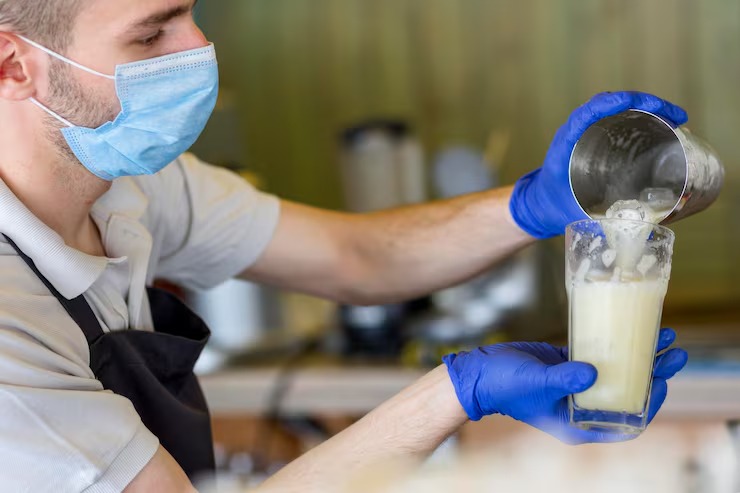
Milk is one of the most widely consumed food products worldwide, and its quality directly impacts consumer health, safety, and nutrition. Ensuring purity, nutritional value, and compliance with regulatory standards requires scientific testing. Over the years, milk testing laboratory analysis has advanced from basic chemical checks to highly sophisticated methods powered by automation and biotechnology. Today, the question many stakeholders ask—whether they are farmers, processors, or consumers—is: how accurate are these tests?
The answer lies in understanding the range of modern testing methods, the role of technology, and the stringent global standards that laboratories follow.
Why Milk Testing Accuracy Matters
Accurate testing is essential for several reasons. First and foremost, it safeguards public health by detecting harmful contaminants such as antibiotics, pesticides, heavy metals, and microbial pathogens. Even trace amounts of these substances can pose risks to vulnerable populations, especially children and the elderly.
Second, accuracy helps maintain consumer trust. Mislabeling fat content, protein levels, or adulteration with water or non-dairy substances could not only harm buyers but also tarnish brand reputations. Finally, testing accuracy directly affects the profitability of farmers and dairy producers, as milk is often priced based on its composition and quality.
Advances in Milk Testing Laboratory Methods
Modern milk testing laboratories employ a mix of chemical, microbiological, and instrumental techniques. Some of the most widely used methods include:
- Infrared Spectroscopy (IR): A non-destructive method to measure fat, protein, and lactose content with high precision.
- High-Performance Liquid Chromatography (HPLC): Used for identifying and quantifying vitamins, amino acids, and contaminants.
- Polymerase Chain Reaction (PCR): Applied in microbiological testing to detect pathogens such as E. coli and Salmonella at the DNA level.
- Mass Spectrometry (MS): Extremely sensitive for identifying adulterants and residues of veterinary drugs.
- Automated Somatic Cell Counters: Widely used to assess milk’s hygienic quality and detect mastitis in dairy herds.
These methods, when combined with automation and digitized data systems, have significantly improved accuracy compared to traditional manual testing.
The Role of International Standards
Testing laboratories do not operate in isolation. They follow internationally recognized standards such as ISO/IEC 17025 for laboratory competence and guidelines from organizations like the Food and Agriculture Organization (FAO), the U.S. Food and Drug Administration (FDA), and the European Food Safety Authority (EFSA).
Accreditation ensures that testing results are consistent and reliable across countries. This is especially critical in global dairy trade, where milk powder, cheese, and other products are exported across continents. Accuracy is not just about precision in a single lab—it’s about reproducibility worldwide.
How Accurate Are the Results Today?
On a technical level, many milk testing laboratories achieve results with accuracy rates exceeding 95–98% depending on the parameter being measured. For example:
- Nutritional composition (fat, protein, lactose): Infrared spectroscopy provides highly repeatable measurements with minimal error margins.
- Contaminant detection: Modern methods like LC-MS/MS can detect residues at parts-per-billion (ppb) levels.
- Microbial testing: PCR-based methods are capable of identifying pathogens quickly and with great sensitivity, though false positives may occur if strict protocols are not followed.
That said, accuracy can still vary based on sample handling, storage conditions, equipment calibration, and human oversight. This means that while the technology is extremely precise, consistent quality control is vital.
Challenges That Can Affect Accuracy
Despite advancements, no testing system is perfect. Some common challenges include:
- Sample Variability: Milk composition changes due to breed, feed, and lactation stage, making standardization complex.
- Adulteration Tactics: Fraudsters continue to use sophisticated methods to adulterate milk, sometimes outpacing detection technologies.
- Equipment Sensitivity: While high-tech instruments detect trace contaminants, they also require rigorous maintenance and calibration.
- Turnaround Times: Rapid testing is often necessary, but balancing speed and accuracy can be difficult in high-volume labs.
These challenges highlight why ongoing research and constant monitoring are crucial to maintaining reliable results.
Trusting Accredited Laboratories
For dairy businesses and researchers, working with accredited labs is the key to accurate and legally defensible results. Reputable laboratories invest in advanced equipment, skilled staff, and strict quality assurance systems. For example, Kendrick Labs, Inc is one such name recognized for its expertise in scientific analysis, applying standardized protocols to produce reliable data.
Partnering with trusted laboratories ensures compliance with food safety regulations, minimizes business risks, and provides confidence in product quality.
Accessibility and Transparency
In addition to accuracy, transparency of testing results has gained importance. Farmers and consumers increasingly demand access to clear, understandable data. Digital platforms now allow real-time reporting of milk quality parameters, reducing disputes and ensuring accountability across the supply chain.
For businesses or individuals seeking details on services offered by a Milk Testing Laboratory, you can Click Here for more information on standardized testing procedures and methods.
The Future of Milk Testing Accuracy
The future looks promising as innovations like biosensors, nanotechnology, and artificial intelligence are integrated into milk testing. Portable devices capable of on-site analysis are being developed, reducing the time between collection and results. Machine learning algorithms are also being applied to detect anomalies and predict quality issues before they arise.
These advancements may push accuracy levels even higher while also making testing faster and more cost-effective.
Final Thoughts
So, how accurate is milk testing laboratory analysis today? In most cases, extremely accurate—thanks to advanced technologies, global quality standards, and skilled laboratory practices. While challenges such as adulteration and variability remain, the margin of error has narrowed considerably compared to even a decade ago.
For farmers, processors, regulators, and consumers, this accuracy translates to safer dairy products, fair pricing, and stronger trust in the food system. As technology continues to evolve, milk testing is expected to become even more precise, transparent, and accessible, setting new benchmarks for food safety worldwide.


