

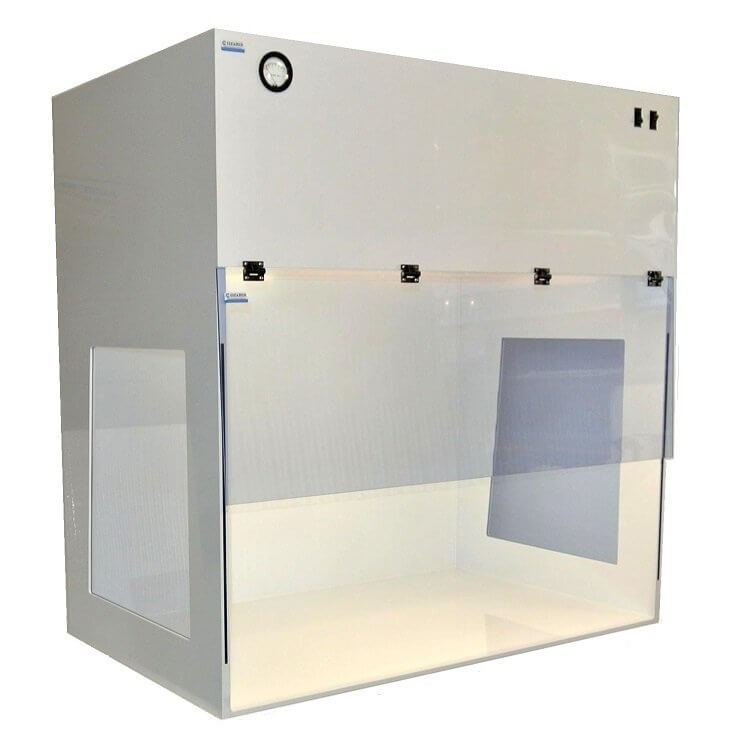
Maintaining a sterile workspace is critical in laboratories, pharmaceutical facilities, electronics manufacturing, and medical research. When you work with sensitive materials, even tiny airborne particles can compromise results or contaminate samples. That’s why choosing the right laminar flow hood is so important. However, with multiple models, airflow designs, and filtration systems available, selecting the best option can feel overwhelming.
If you want a solution that truly protects your work environment, you need to evaluate several factors before purchasing. By understanding how laminar flow hoods work and what features matter most, you can confidently choose the best system for your workspace.
Understand How a Laminar Flow Hood Works
Before selecting a unit, it helps to understand what a laminar flow hood actually does. A laminar flow hood uses high-efficiency filters and controlled airflow to create a clean, particle-free environment inside the workspace. The system pushes air through HEPA or ULPA filters and directs it in a uniform stream across the work surface.
This continuous airflow prevents airborne contaminants from settling on sensitive materials. As a result, laminar flow hoods are widely used for sterile procedures, electronics assembly, tissue culture work, and pharmaceutical preparation.
When searching for a high-quality laboratory Laminar Flow Hood For Sale, understanding the airflow type and filtration system will help you make the right decision.
Choose the Right Airflow Type
Laminar flow hoods are generally available in two main airflow configurations: horizontal and vertical. The type you choose depends on your specific application.
Horizontal laminar flow hoods direct filtered air from the back of the unit toward the operator. This design provides strong protection for the materials on the work surface because the air flows directly across the workspace.
Vertical laminar flow hoods push filtered air downward from the top of the unit. This design helps prevent airflow from moving directly toward the operator and is often preferred when working with larger equipment or taller items.
You should evaluate the nature of your work, the equipment used inside the hood, and operator comfort when deciding between these airflow types.
Consider HEPA or ULPA Filtration
The filtration system is one of the most important features of any laminar flow hood. Most units use HEPA filters, which remove at least 99.97% of particles measuring 0.3 microns. Some advanced systems also offer ULPA filters, capable of removing even smaller particles.
If you work in environments where contamination control is extremely critical—such as semiconductor manufacturing or pharmaceutical compounding—ULPA filtration may provide an extra layer of protection.
When reviewing equipment specifications, always check filter efficiency, replacement requirements, and airflow performance.
Evaluate Workspace Size and Design
Another important factor is the size of the hood and the available workspace inside it. Laminar flow hoods come in multiple sizes, ranging from compact benchtop models to larger units designed for complex laboratory setups.
Before making a purchase, measure the area where the hood will be installed. You should also consider:
- Equipment that will be placed inside the hood
- Number of users accessing the workspace
- Required working height and depth
Choosing a unit that fits your workflow ensures that the hood will support productivity without limiting movement or visibility.
Look for Quality Construction and Materials
Durability matters when investing in laboratory equipment. Laminar flow hoods are typically constructed with stainless steel interiors, powder-coated steel exteriors, and transparent side panels.
High-quality construction provides several benefits:
- Easier cleaning and maintenance
- Resistance to corrosion or chemical exposure
- Long-term structural reliability
Working with an experienced manufacturer like CleaTech LLC ensures that your laminar flow hood meets strict quality standards and industry requirements.
Check Certifications and Compliance
Depending on your industry, your laminar flow hood may need to meet specific safety or regulatory standards. Certifications confirm that the system performs as intended and meets contamination control guidelines.
Common standards include:
- ISO cleanroom classifications
- HEPA filter performance certifications
- Electrical and safety compliance standards
Always verify that the manufacturer provides documentation and testing reports before purchasing.
Consider Maintenance and Service Support
Even the best laminar flow hood requires periodic maintenance. Filters must be replaced, airflow systems should be inspected, and internal surfaces must be cleaned regularly.
Before choosing a model, check:
- Filter replacement frequency
- Ease of access for maintenance
- Availability of replacement parts
- Technical support from the manufacturer
If you need help selecting the right system or configuring a custom solution, you can Contact us today to speak with specialists who can guide you through the process.
Compare Features That Improve Efficiency
Modern laminar flow hoods often include advanced features that improve usability and efficiency. While these features may vary by model, some valuable options include:
- LED lighting for better visibility
- Digital airflow monitoring systems
- Energy-efficient motors and blowers
- Adjustable work surfaces
- Noise-reduction technology
These enhancements can significantly improve daily workflow and long-term operational efficiency.
Final Thoughts
Choosing the best laminar flow hood requires careful consideration of airflow design, filtration efficiency, workspace size, and construction quality. By understanding these factors, you can select a system that protects sensitive materials while supporting a safe and productive environment.
When you invest in the right laminar flow hood, you are not just purchasing equipment—you are protecting the integrity of your work, ensuring compliance, and maintaining the highest standards of cleanliness in your laboratory or production facility.
FAQ: Laminar Flow Hood for Sale
What is a laminar flow hood used for?
A laminar flow hood creates a sterile working environment by directing filtered air across the workspace. It protects sensitive materials from contamination during laboratory or manufacturing processes.
What is the difference between vertical and horizontal laminar flow hoods?
Horizontal hoods push filtered air directly across the work surface toward the operator, while vertical hoods direct air downward from the top of the unit. Each design suits different applications and workspace needs.
How often should laminar flow hood filters be replaced?
Filter replacement depends on usage, airflow performance, and manufacturer guidelines. In many laboratories, HEPA filters are replaced every one to three years or when airflow efficiency drops.
Can laminar flow hoods protect the user from hazardous chemicals?
No. Laminar flow hoods are designed to protect the product or sample from contamination, not the user. If you need protection from chemical vapors, a fume hood should be used instead.
How do you choose the best laminar flow hood for sale?
To choose the best option, evaluate airflow type, filter efficiency, workspace size, materials, certifications, and manufacturer support. Selecting a reliable manufacturer ensures long-term performance and contamination control.


