

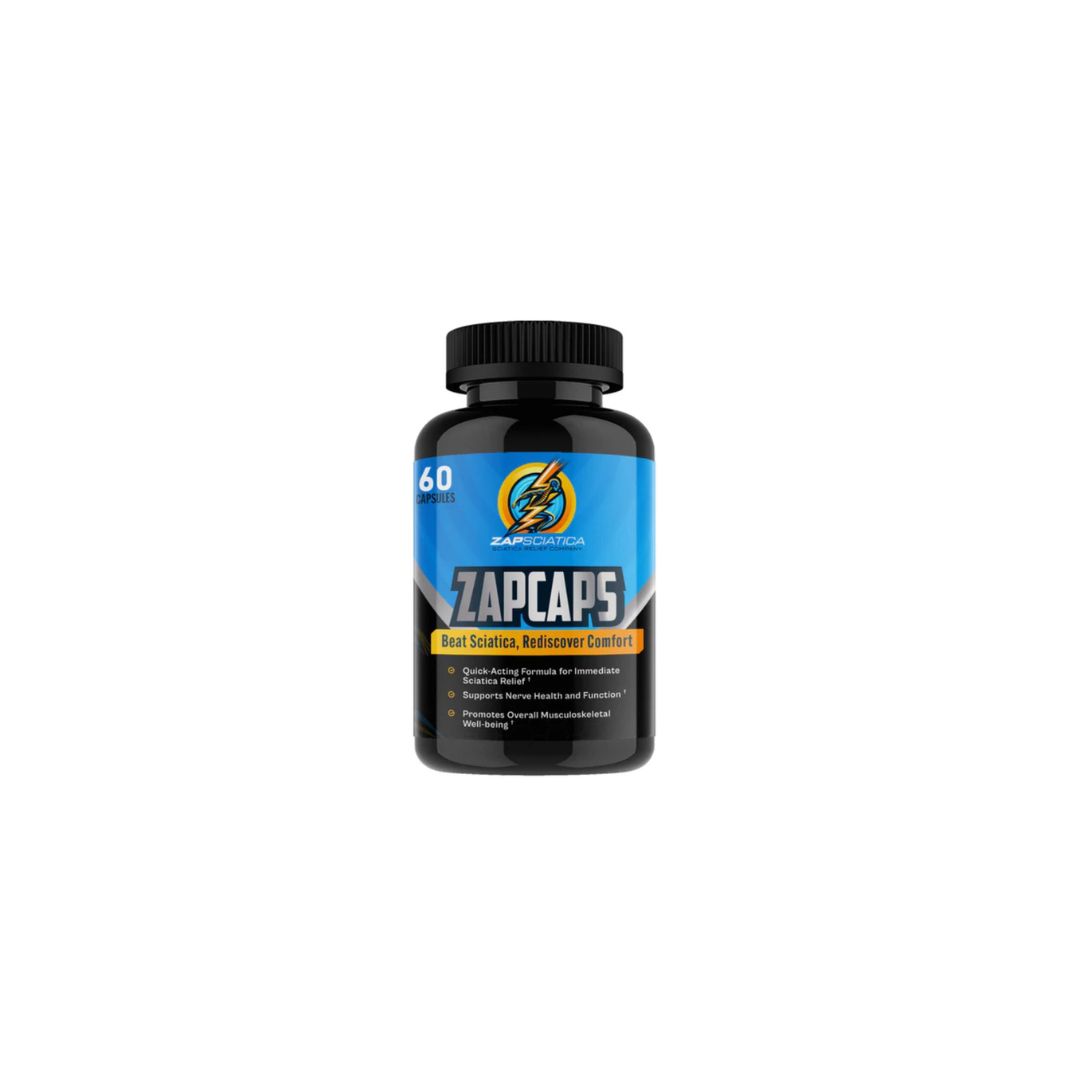
You’ve probably heard of sciatica and know someone who has it. Sciatica is a painful condition that can cause severe lower back and leg pain that is very difficult to treat. In severe situations, people use sciatica relief products to manage their sciatica pain.
– Identifying The Source Of Sciatica Nerve Pain:
You must identify the cause of sciatica to treat it. A herniated disc, muscle spasms, pregnancy, or tight muscles in the spine can bring on sciatica. Various strategies may need to be used to lessen pain and prevent future flare-ups, depending on the underlying reason. For instance, massage therapy and mild stretching exercises are recommended if you are experiencing pain due to a herniated disc. Additionally, you should refrain from engaging in activities like heavy lifting and intense exercise that could exacerbate your disease. However, doing exercises that target the hips and relieve any tension in this area might help those experiencing muscle pain feel better. Although pelvic floor exercises can be helpful, pregnant women should see their doctors before beginning any new therapy.
– Moving Your Body Through Relaxed Motion:
After you’ve determined the source of your pain, it’s critical to begin using techniques that can help with sciatica symptoms. Without treatment, sciatica nerve pain can get worse and last for months or even years. Combining rest and activity is one of the greatest therapy strategies for sciatica pain relief. Compared to activities involving strong movements, relaxed motion is less risky and helps release tension from tight muscles. Stretching frequently throughout the day also promotes healthy circulation and keeps your back and legs from becoming tense.
– Posture Tips To Improve Overall Comfort:
Sciatica is lessened when joints, muscles, and bones are positioned correctly. Long periods of sitting weaken the abdominal muscles, which aggravates posture and causes discomfort. We need to be aware of the appropriate seating posture because many daily activities include sitting. When working or browsing social media on the phone, hunching over and putting strain on one’s back, neck, and shoulder are common symptoms of poor posture. A chair cushion or roll at the base of the spine is necessary for comfortable sitting in order to support the lower back and hips, which should be slightly higher than the knees. Tension in the spine can also be avoided by keeping the arms close to the body and bending the elbows slightly.
– Stretches and Exercises To Increase Mobility:
Regular exercise and stretching can help you manage your sciatica pain. To further enhance back health, basic mobility exercises can assist relieve tension, strengthen the core, and help restore muscular balance. Stretches that are dynamic and controlled motions like leg swings can help release pressure on the nerves, while low-impact activities like Pilates or yoga can tone the muscles in the back. Increasing your glute strength can also help to lessen compression.
– Surgical Treatment For Sciatica:
Less invasive methods could potentially alleviate sciatica pain over a six-week period. Sciatica patients are treated with these surgical techniques. Surgically correcting a herniated disc can occasionally relieve sciatica symptoms. Our spine specialists will assess your condition and provide a plan of care to help you resume a pain-free life as soon as feasible.
In conclusion, Sciatica can also be treated with heat and cold packs, sciatica nerve pain relief caps, physical therapy, over-the-counter painkillers, and other methods. See a doctor if you are unsure in order to protect your health and avoid making the problem worse.


